The Best Spots in Chūō Ward, Tokyo,According to an Expert
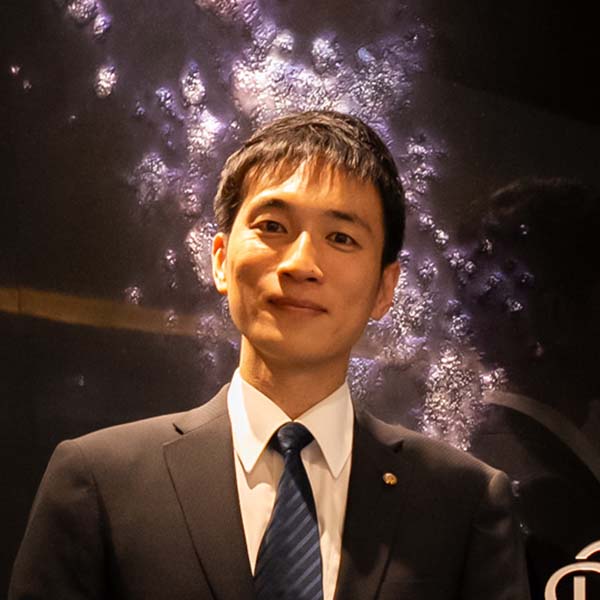
Yasuo Sayama
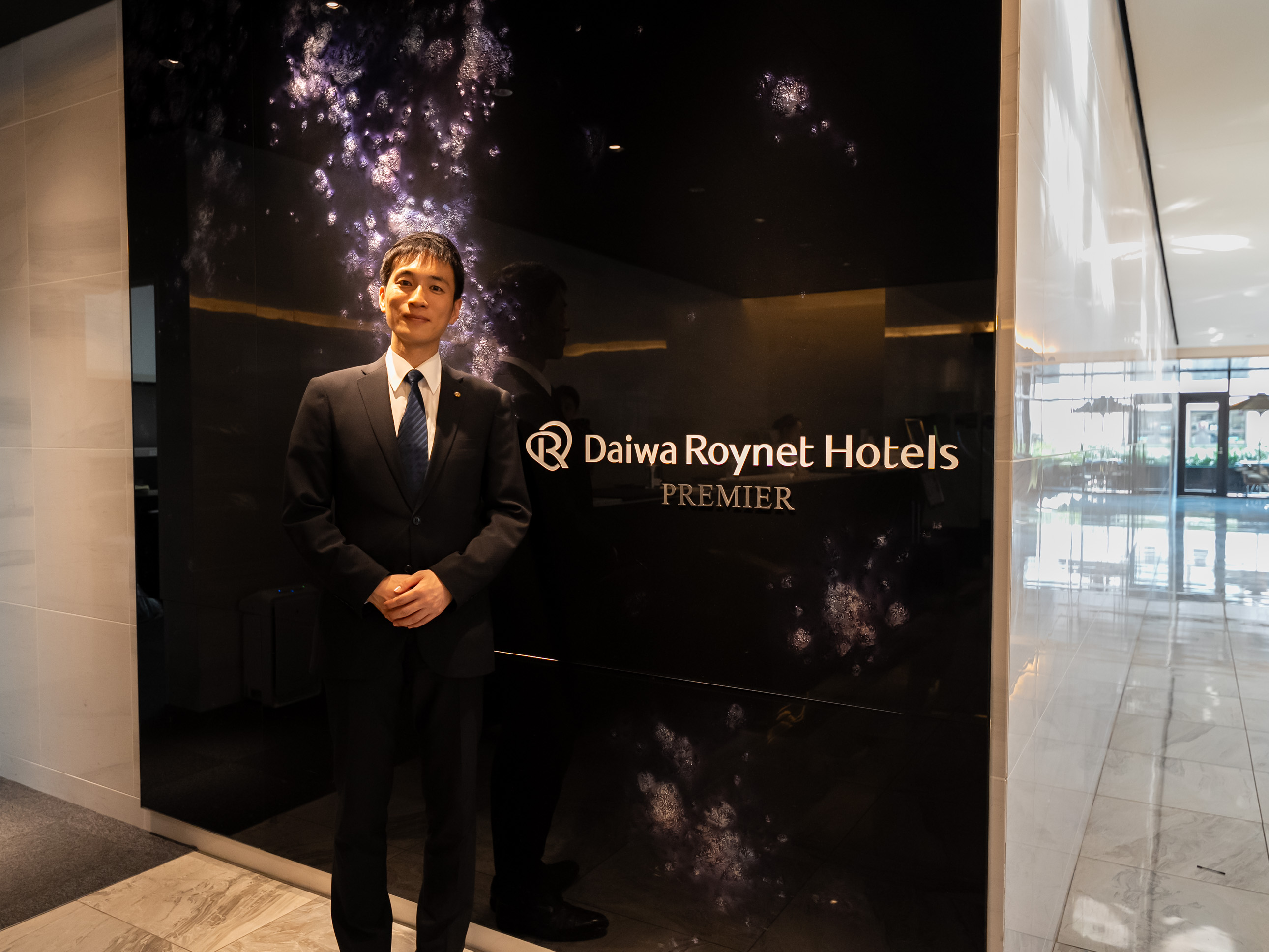
Daiwa Roynet Hotel Ginza PREMIER
Located just a minute's walk from Ginza-itchome Station, this prime location offers a peaceful retreat from the city bustle, allowing you to enjoy quiet, comfortable moments. Savor elegant times for both business and leisure.
- web site
- https://www.daiwaroynet.jp/ginza/
- address
- 1-13-15 Ginza, Chuo Ward
- telephone number
- 03-5159-1380
Teppōzu Inari Shrine
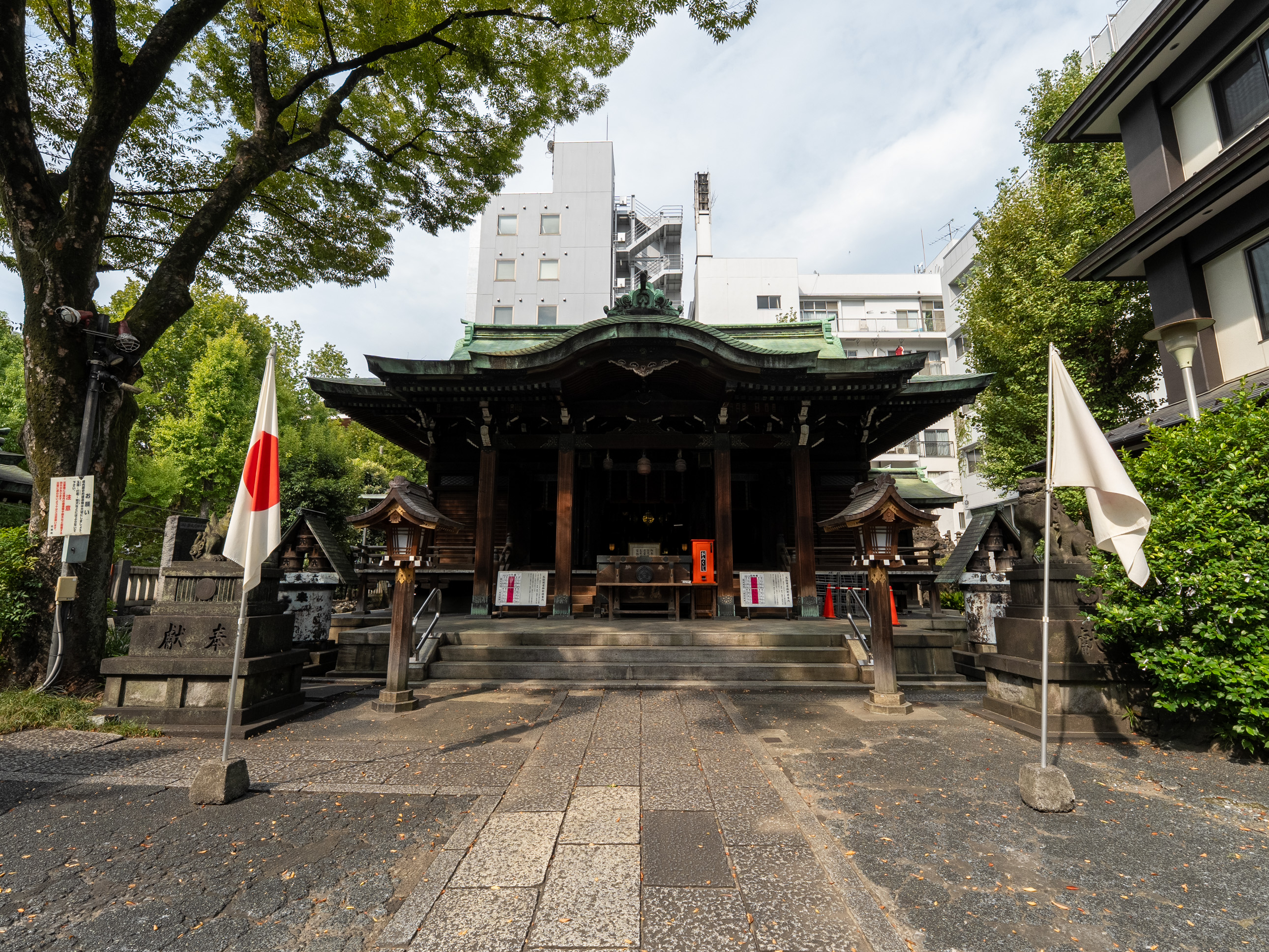
Teppōzu Inari Shrine is an ancient shrine said to have been founded in the early Heian period, in the 8th year of the Jōwa era (841). It is said to have begun when residents suffering from crop failures enshrined the local guardian deity (ubusuna no kami: the guardian deity of the land where one was born) as Inari no Ōkami and prayed for daily protection. Later, as the Edo inlet was reclaimed, the shrine was relocated repeatedly to Kyōbashi and Shin-Kyōbashi, finally settling in its current location at Teppōzu in 1868 (Meiji 1). The area surrounding a shrine where worshippers reside is called its parish. Since Inari no Okami is the tutelary deity for the entire Kyobashi area, Teppōzu Inari Shrine’s parish is extensive. It encompasses the eastern side of present-day Ginza 1st to 8th Chome, and further east, it also serves as the guardian shrine for areas like Shintomicho, Akashi, Minato, and Irifune. The Kabuki-za theater and Shinbashi Enbujo theater are also within its boundaries.
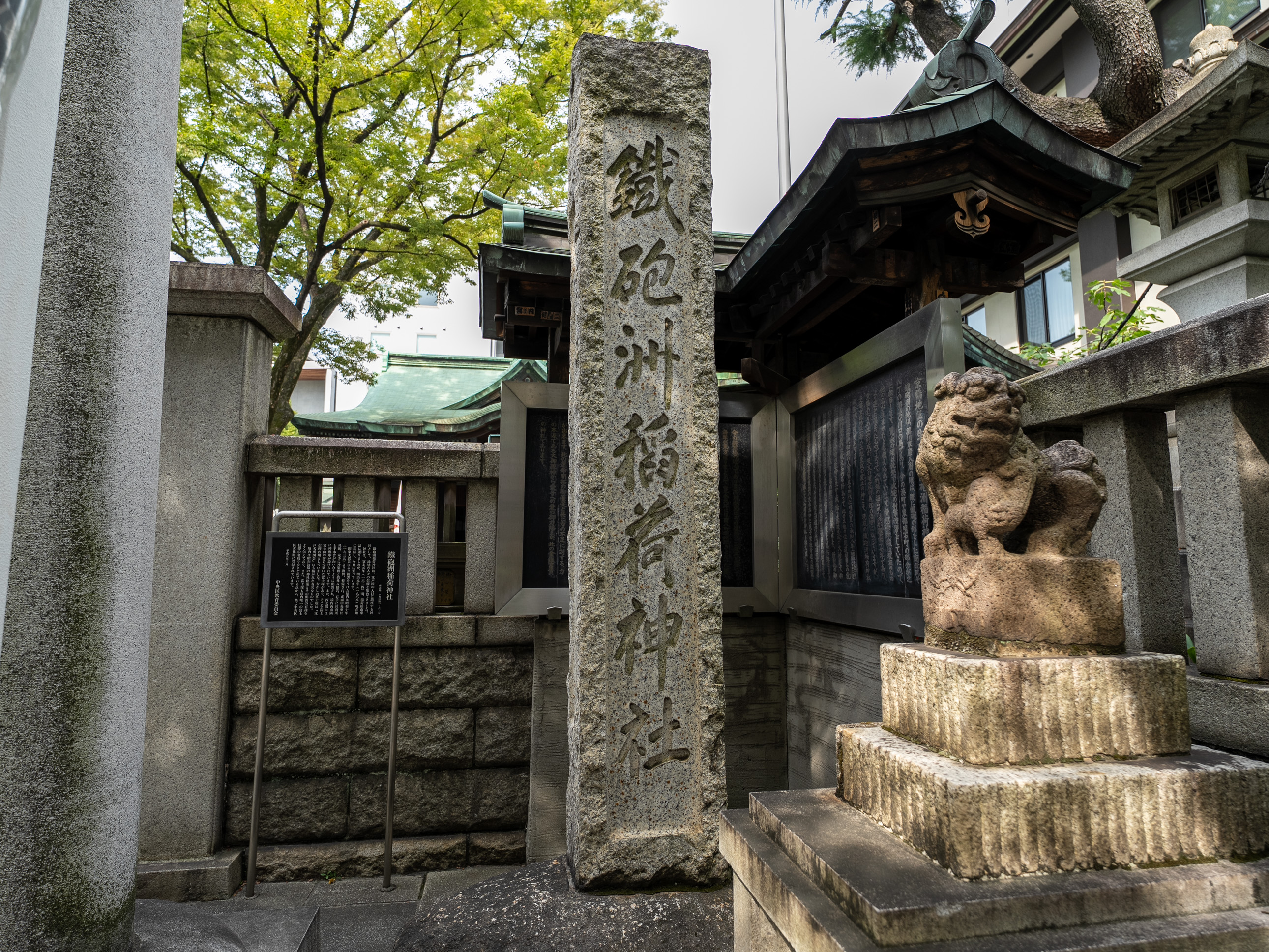
I became familiar with Teppōzu Inari Shrine because many of my acquaintances participated in the annual “Winter Water Bathing Festival” held every January. While I myself only show up to watch my friends participate, the festival begins with a greeting from the chief priest, who speaks about the shrine’s history and origins. Hearing these words from the priest sparked my interest, and I began visiting the shrine frequently. This “Midwinter Water Bathing Festival” apparently began as a purification ritual praying for health and safety throughout the year. After the priest’s purification rites, participants perform thorough warm-up exercises. Then, about 80 parishioners, wearing white headbands and loincloths (women wear white ceremonial robes), enter a water tank filled with ice floes to purify themselves. This scene is cherished as a New Year tradition. Still, I can’t help but be amazed that this ritual takes place right in the heart of Tokyo… However, seeing my elderly acquaintances participate in this ritual year after year made me truly understand that “faith is not just about offering prayers, but also about the act of purifying oneself.”
Within the grounds of Teppōzu Inari Shrine stand the shrine buildings, kagura hall, and shrine office—structures damaged in the Great Kantō Earthquake and rebuilt and restored after 1935 (Showa 10)—proudly displaying their presence. And constructed in the northwest corner of the grounds is the Fujizuka mound known as “Teppōzu Fuji.” During the mid-Edo period, groups known as Fuji-kō, dedicated to the worship of Mount Fuji, reportedly spread explosively. Around 50 Fuji-zuka were built throughout the 808 districts of Edo. The Teppōzu Fuji within the grounds of Teppōzu Inari Shrine is said to be the only surviving Fuji-zuka in Chūō Ward. Constructed in 1790 (Kansei 2), this Fuji-zuka gained popularity. Depicted larger than the main shrine hall in the ‘Edo Meisho Zue’ (Illustrated Guide to Famous Places in Edo) and Utagawa Hiroshige’s ‘Ehon Edo Omiyage’ (Picture Book of Edo Souvenirs), it is presumed to have boasted considerable grandeur at the time. After several relocations, its current height is 5.4 meters. Constructed using lava from Mount Fuji, it houses the subsidiary shrine Teppōzu Fuji Sengen Shrine at its summit.
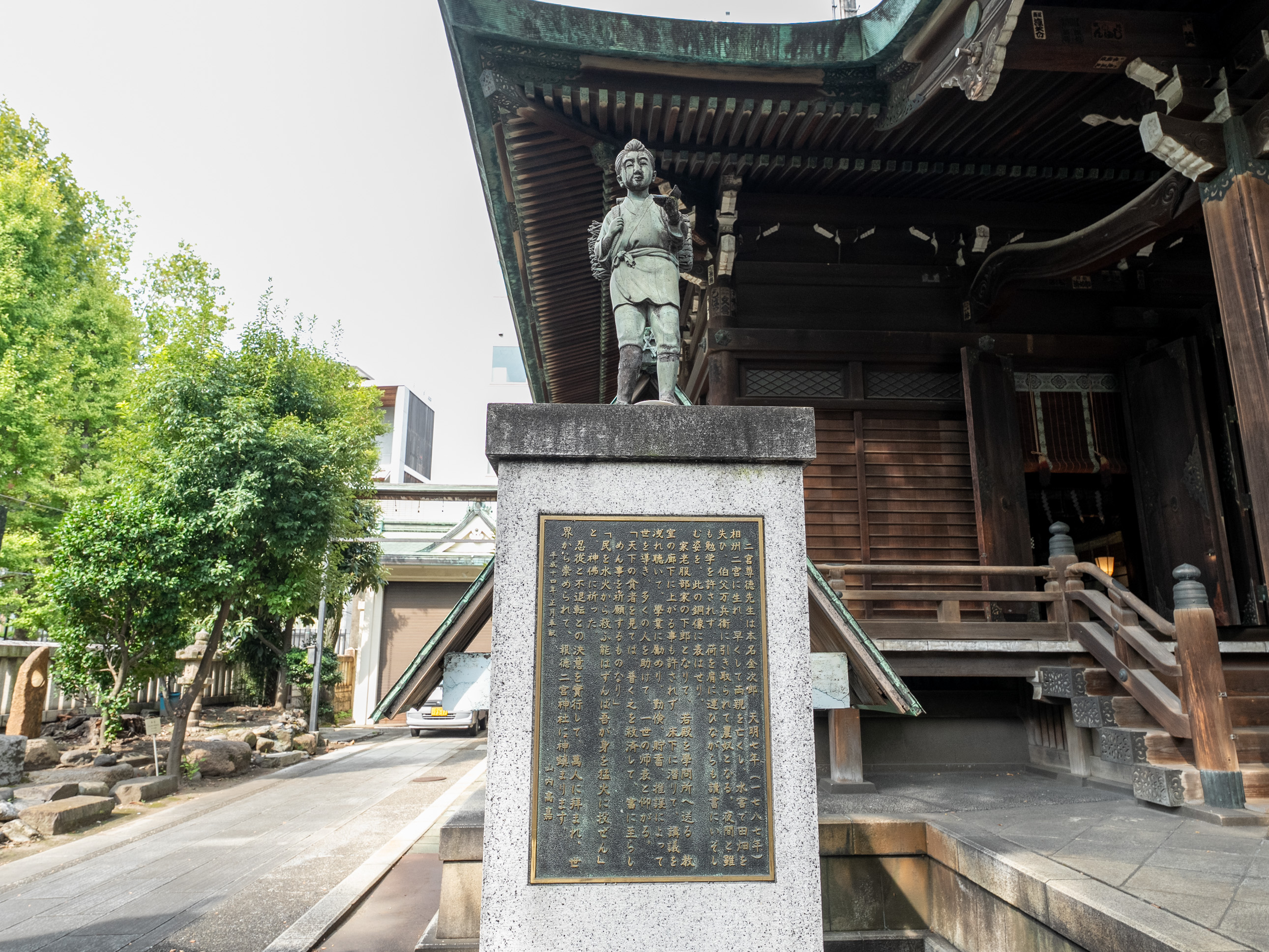

I hope you will visit Teppōzu Inari Shrine near dusk and walk quietly along the approach. Though nestled within the city’s bustle, it envelops visitors in a mysterious tranquility. When I explain to our hotel guests that “by joining hands at the Fujizuka Sengen Shrine alongside the main hall, you can embody the prayer of climbing Mount Fuji right in the heart of Tokyo,” many express keen interest. While Tokyo boasts numerous tourist attractions, I sincerely hope visitors will seek out shrines as “landmarks of prayer” on foot, fully savoring with all their senses an atmosphere unlike anything found on the main streets of Ginza or Kyobashi.
Teppōzu Inari Shrine
- address
- 1-6-7 Minato, Chuo-ku, Tokyo
- telephone number
- 0335512647
- web site
- https://imadashouten.com