The Best Spots in Chūō Ward, Tokyo,According to an Expert
Yasuo Sayama
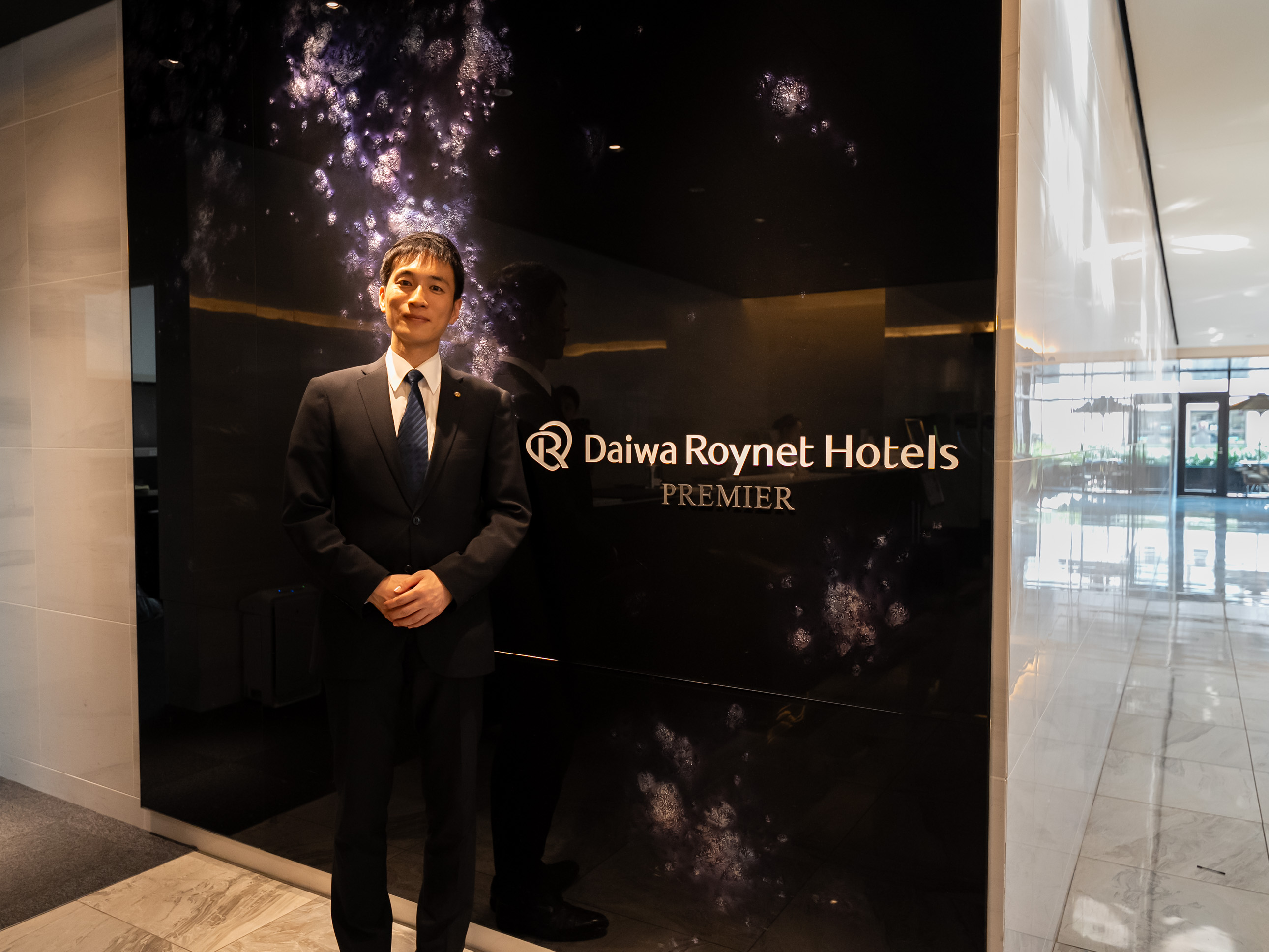
Daiwa Roynet Hotel Ginza PREMIER
Located just a minute's walk from Ginza-itchome Station, this prime location offers a peaceful retreat from the city bustle, where you can enjoy quiet, comfortable moments. Savor elegant times for both business and leisure.
- web site
- https://www.daiwaroynet.jp/ginza/
- address
- 1-13-15 Ginza, Chuo Ward
- telephone number
- 03-5159-1380
Namiyoke Shrine
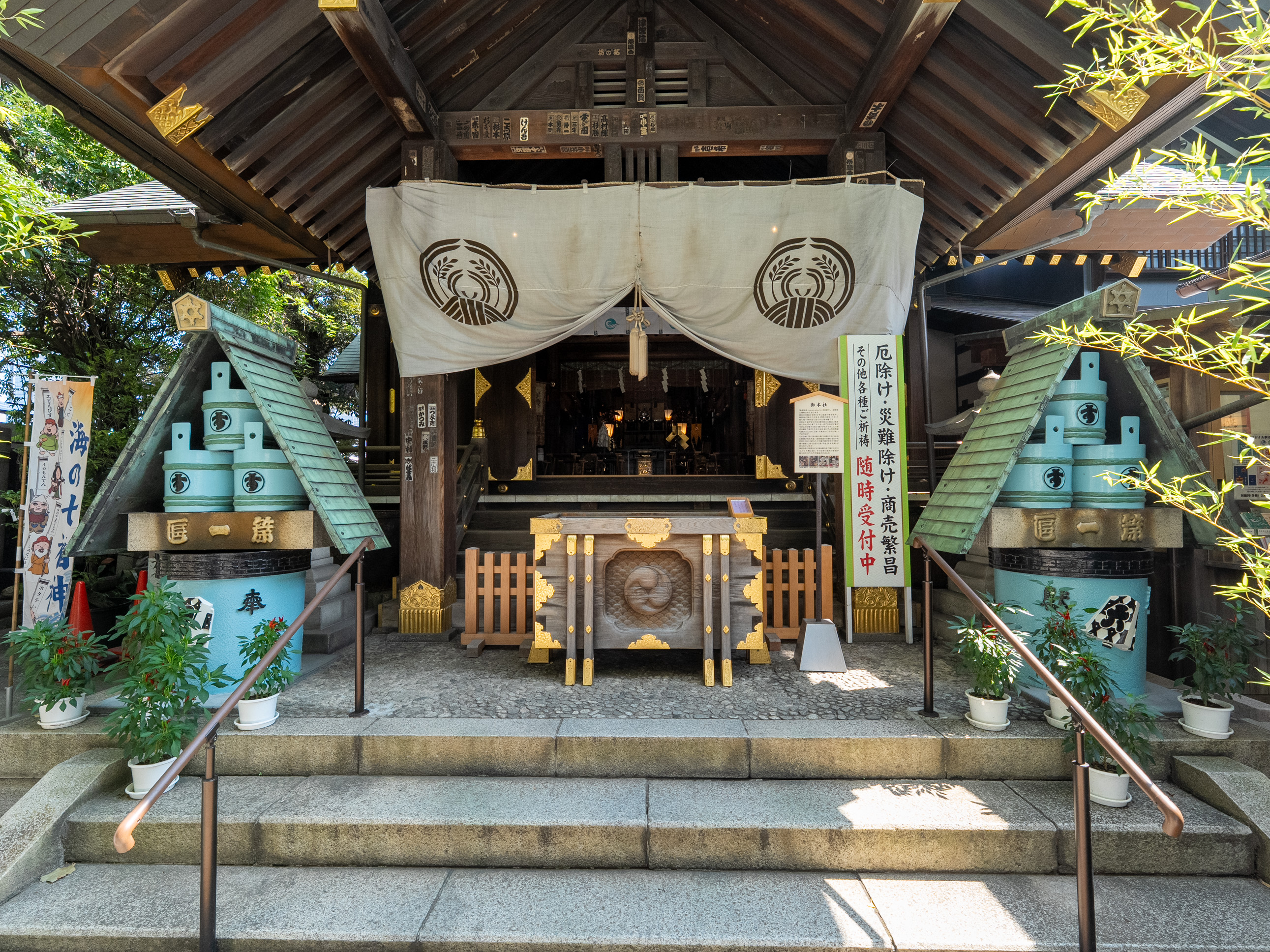
Walking along Namiyoke Street with the Tsukiji Outer Market on your left, you’ll see Namiyoke Shrine directly ahead at the end of the street. It is said to have been founded during the Manji era (1658–1661). During this Manji era, the land reclamation project known as Tsukiji (literally “land building”) was underway along the seafront of Kobiki-cho. However, the powerful waves kept washing away the newly built embankments. One day, people noticed something glowing and drifting on the sea surface. When they retrieved it, they found it was a statue of Inari Myojin. It is said that after enshrining this statue in a newly built shrine, the waves and winds subsided, and the extremely difficult land reclamation project was successfully completed. The shrine’s name, “Namiyoke” (Wave-Repelling), originates from this land reclamation project. Revered as a deity protecting safe voyages, warding off disasters, and removing misfortune, it has been deeply revered by the people.
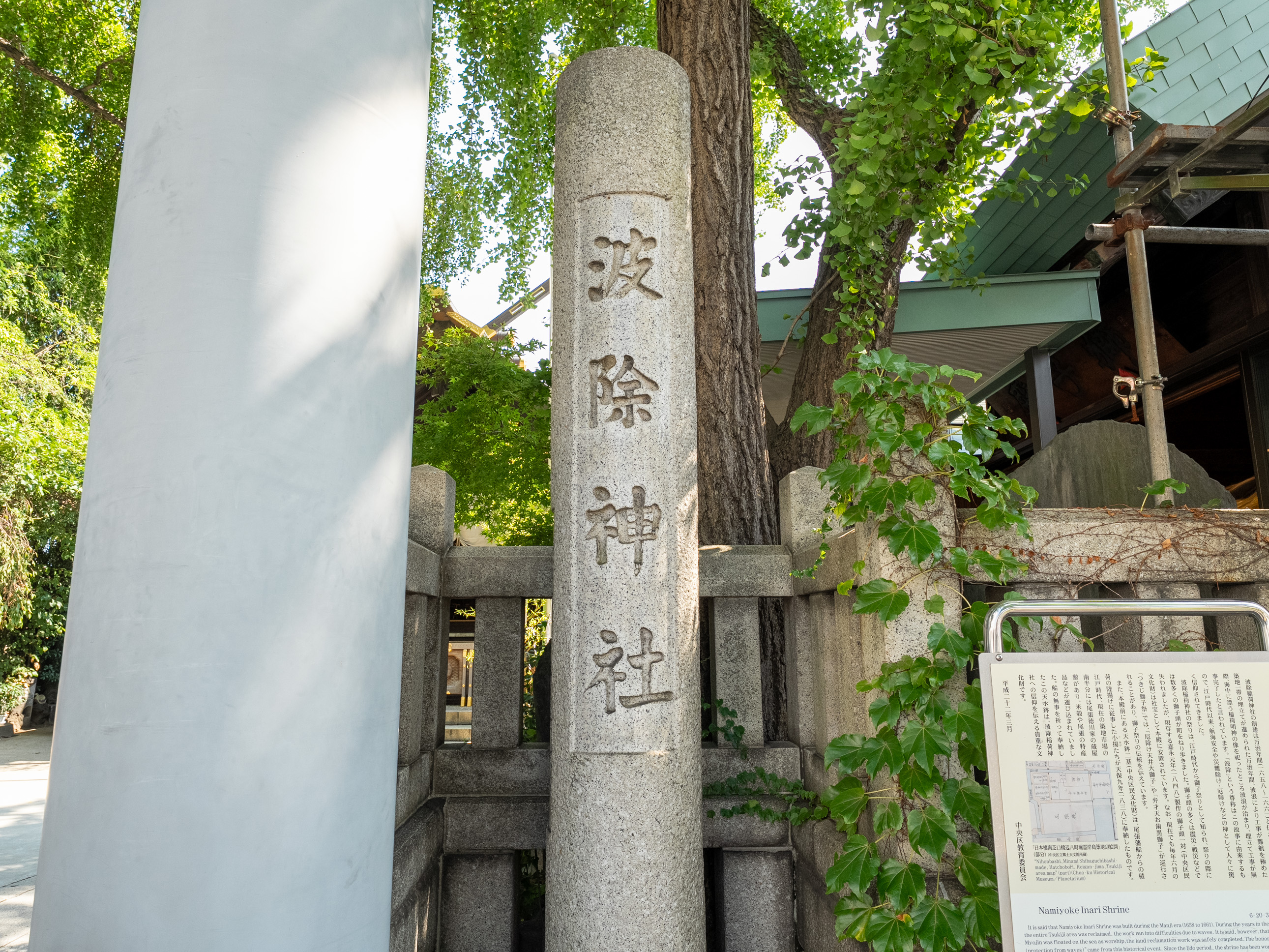
Furthermore, Tsukiji has been deeply connected to food since the Edo period. Within the shrine grounds, mounds and monuments expressing gratitude for food culture remain, such as the Shrimp Mound, Live Fish Mound, Egg Mound, Sushi Mound, and the Fish Grave Monument. Even today, at the Tsukiji Outer Market, you can enjoy dishes made with fresh seafood and tamagoyaki (rolled omelet). When recommending a stroll to Namari Shrine to our hotel guests, we suggest stopping by the Tsukiji Outer Market on the way back to savor dishes like sushi or seafood bowls made with fresh seafood. With more shops offering takeout for eating on the go, you can enjoy sashimi, fried foods, tamagoyaki, shumai, and more right under the open sky. At Namari Shrine, important rituals like the “First Harvest Festival” and the “Knife Ceremony” are held in autumn. These ceremonies play a vital role in preserving food culture by offering gratitude for food safety and harvests.
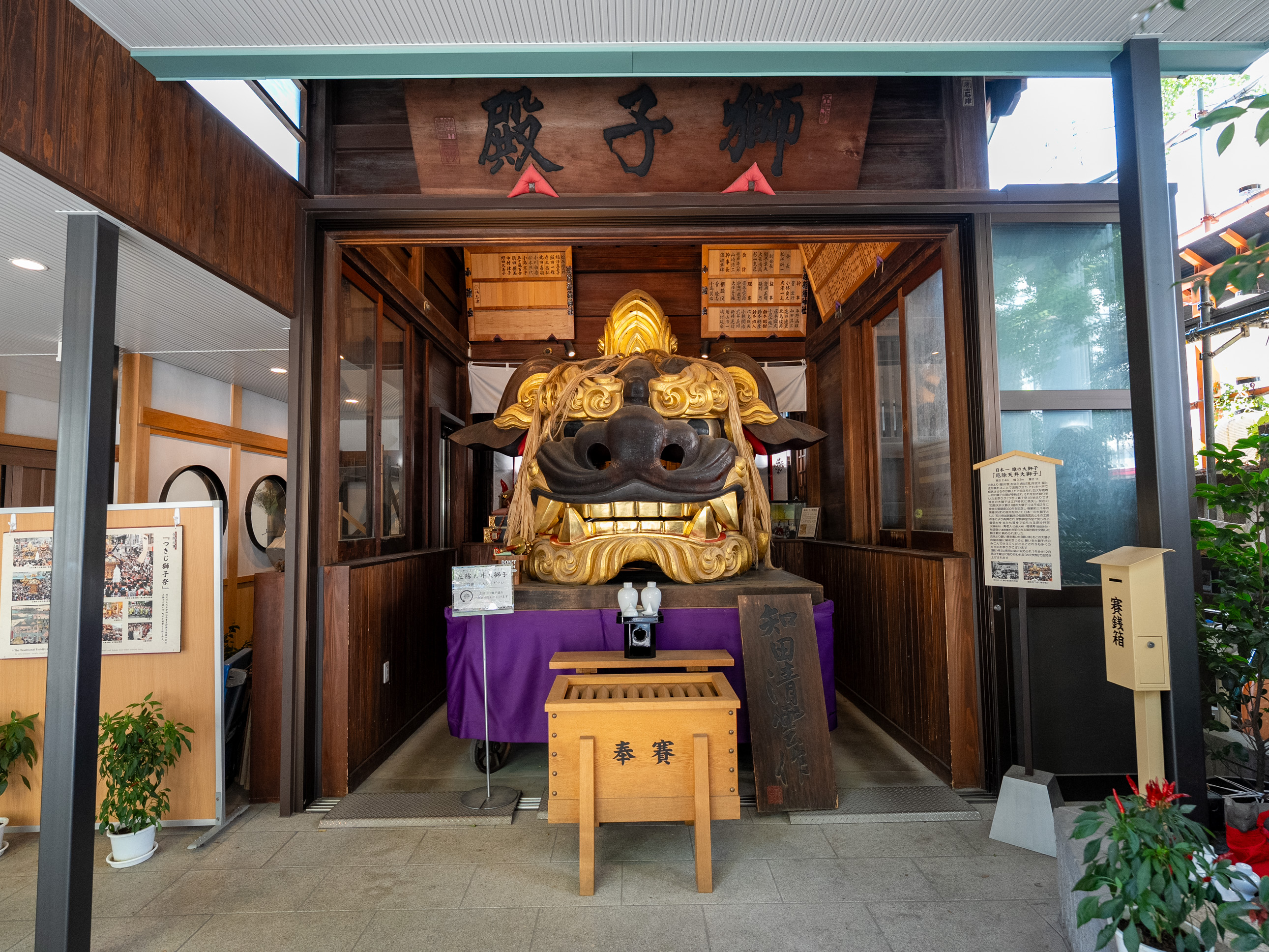
For those visiting Namiyoke Shrine, I’d like to share two more attractions… the lion heads and the goshuin stamps. Upon entering the grounds, visitors are greeted by the male lion, the over two-meter-tall Yakuyoke Tenjō Dai Shishi, and the female lion, the Ohaguro Shishi. As the legend since the shrine’s founding states, “The lion made the dragon and tiger, who command wind and clouds, bow down with a single roar,” these lions likely protect visitors from evil spirits with their overwhelming presence. This pair of lion heads, which survived even the Great Kanto Earthquake, was designated a Chuo Ward Cultural Property in 1992 and is now enshrined within the main hall. Next, regarding Namari Shrine’s goshuin stamps, the sheer variety is truly astonishing. There are stamps distributed year-round and limited-edition ones available for specific seasons or festivals. Among these, the most popular is the limited-time “paper-cut goshuin” distributed during the Tsukiji Lion Festival. It consists of a paper-cut design and a backing paper; when layered, they form a vibrantly colored goshuin. Incidentally, the year-round goshuin comes with a wooden bookmark whose design changes with the seasons.
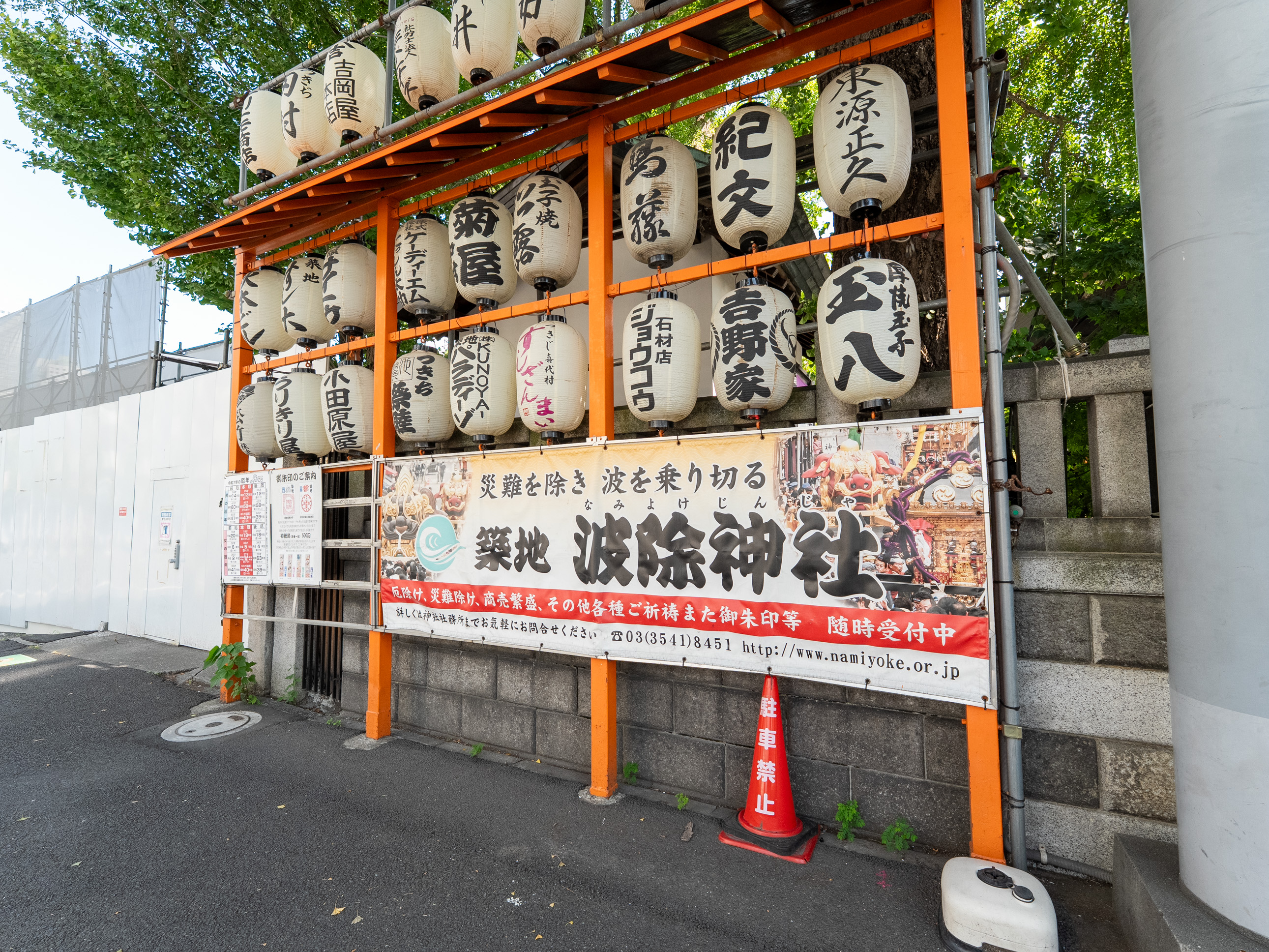
I wanted to introduce Namiyoke Shrine because I hope visitors to Tokyo—both international tourists and Japanese travelers—can experience the rich atmosphere of Tsukiji, where “food and prayer” intersect. The prayerful wish to “ward off disasters and ride out the waves” is still passed down by local people today, ensuring this shrine remains beloved. I believe this very devotion has helped build the development and stability of this area. I hope you’ll notice that this place of prayer, which has supported people’s livelihoods, lies just a short distance from where you seek culinary delights. May this discovery inspire you to take action and think, “Let’s visit the shrine.”
Namiyoke Shrine
- address
- 6-20-37 Tsukiji, Chuo Ward, Tokyo
- telephone number
- 0335418451
- web site
- https://imadashouten.com