The Best Spots in Chūō Ward, Tokyo,According to an Expert
Hideya Sato
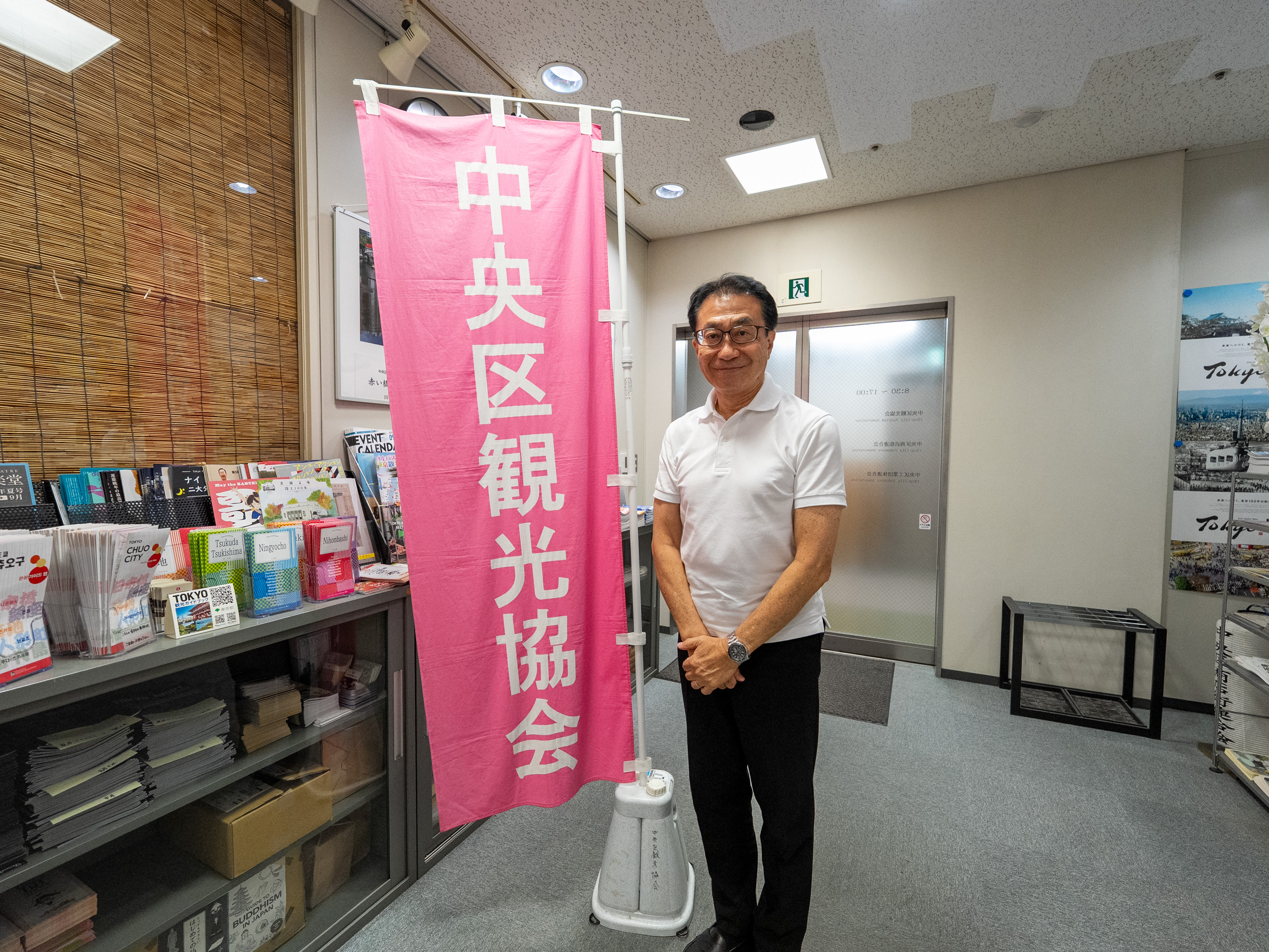
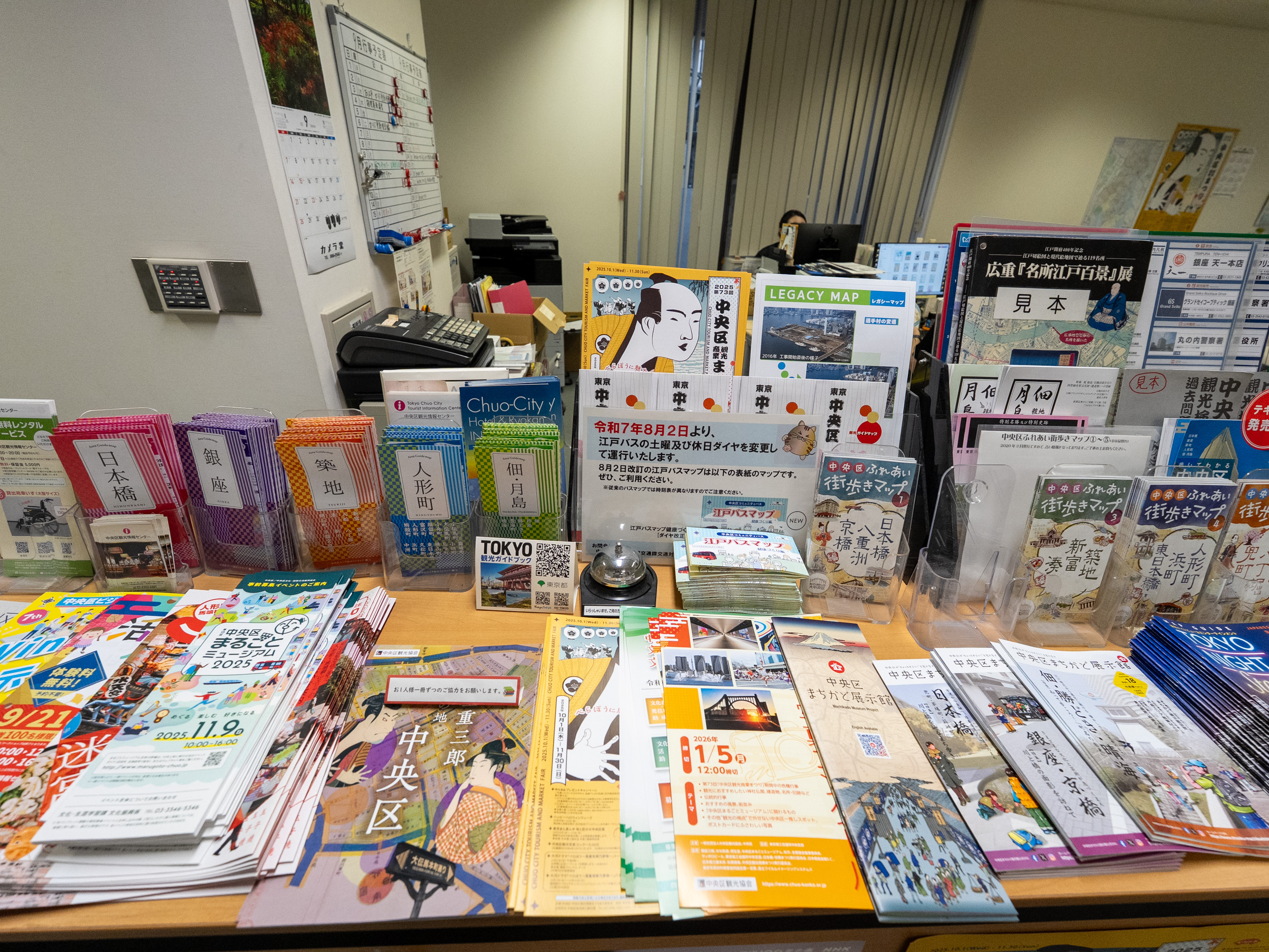
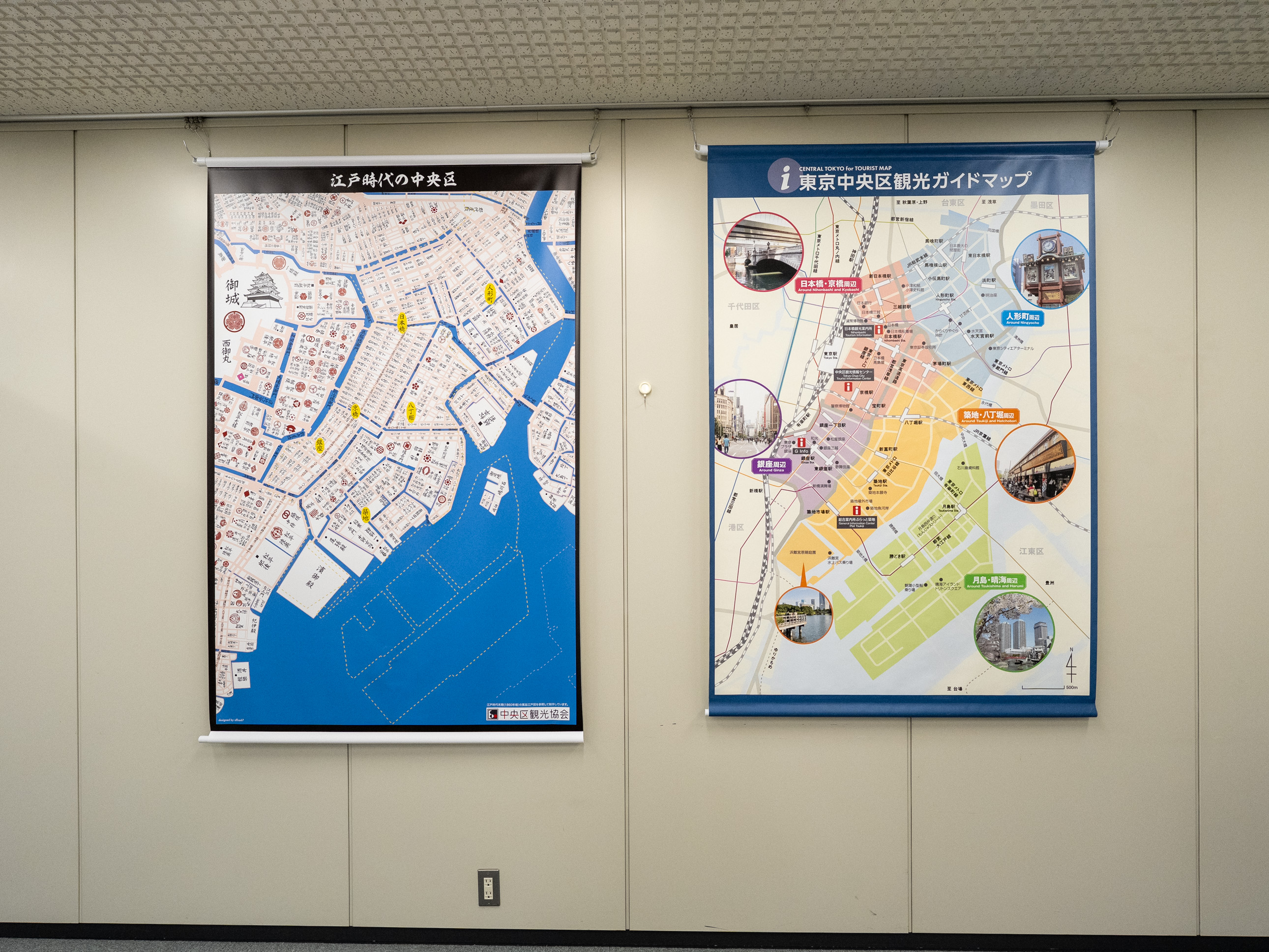
Chuo City Tourism Association
We promote activities that leverage Chuo Ward's abundant tourism resources to enhance its appeal through tourism development, thereby contributing to regional revitalization and the creation of a community that inspires pride and affection.
- web site
- https://www.chuo-kanko.or.jp/
- address
- Kyobashi Plaza 3F 1-25-3 Ginza, Chuo-ku
- telephone number
- 03-6228-7907
Imada Store
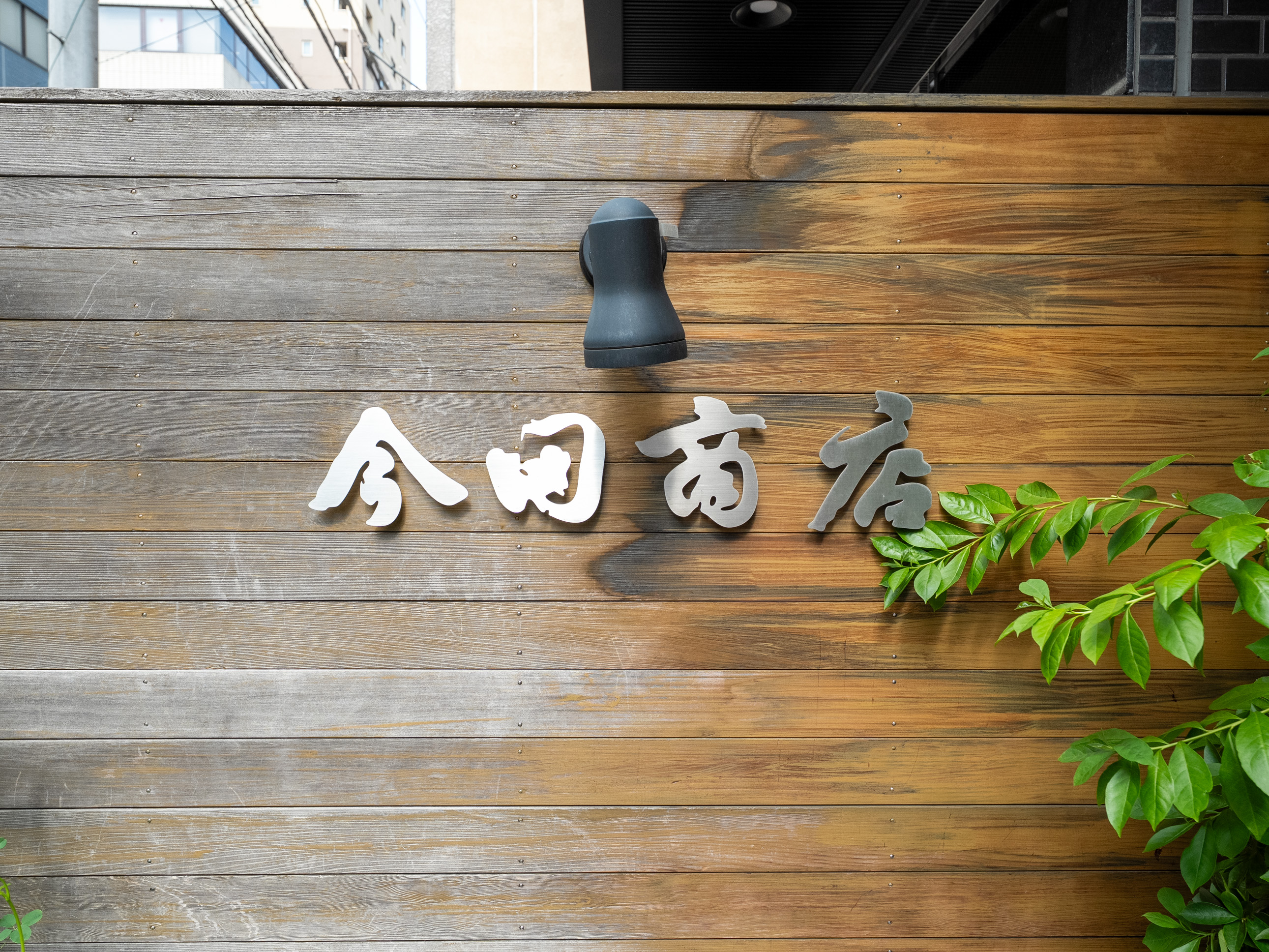
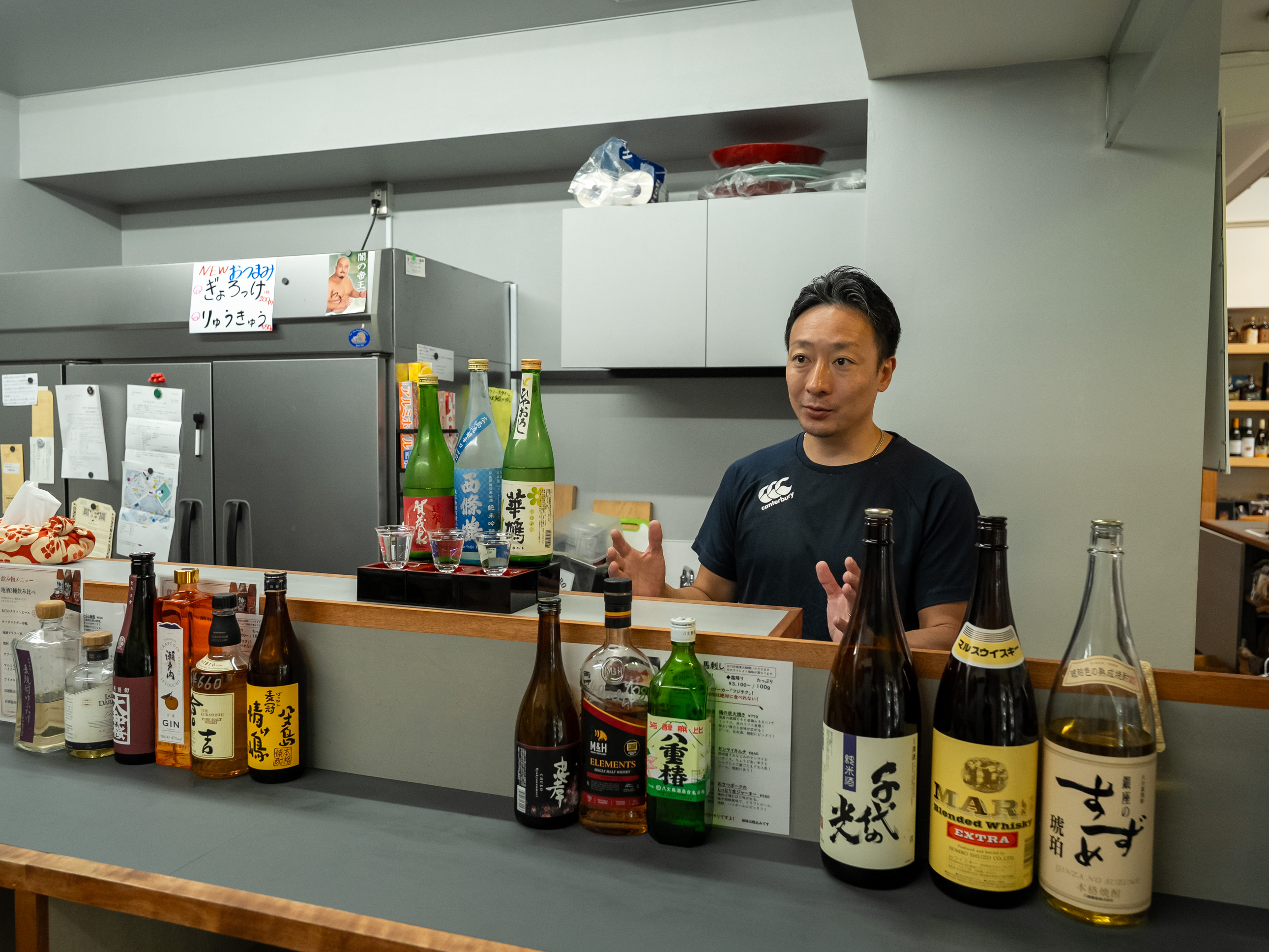
“The first proprietor of Imada Shoten was my great-grandfather, Imada Kinsō,” shared the fourth-generation owner, Imada Takeo. The main brewery, Imada Shuzō Honten, located in Akitsu-chō, Higashi-Hiroshima City, is the original house of the ‘Fukuchō’ brand. Kinsō’s older sister married into the Nakao family of Nakao Jōzō, the makers of “Seikyo,” establishing a familial connection between the two breweries. It was to sell “Fukucho” and “Seikyo” directly in Tokyo that they opened a store in Shinkawa. Shinkawa was surrounded on all sides by the Nihonbashi River, Kamejima River, and Sumida River, and was then called Reiganjima. The town’s name likely comes from the canal (shinkawa) dug in the early Edo period, connecting to the present-day Sumida River. This canal’s construction allowed sake from regions like Nada and Fushimi in the Kansai area to be transported in succession via barrel-carrying ships. The cargo was transferred to delivery boats off Shinagawa and unloaded at the shinkawa riverbank, leading to the establishment of numerous sake wholesalers’ warehouses in the surrounding area.
Recently, a major topic of interest among Edo locals became the “New Sake Race.” Ships sailing from the Kansai region competed to be the first to reach Edo’s Shinkawa River. The ship that arrived first was called the “Shinkawa First Ship,” and the sake it carried commanded high prices for an entire year. For Edo locals who loved the first of the season, the new sake arriving first in Edo was surely cherished as an auspicious drink. Thus, Shinkawa flourished as a historic sake town. While the riverbank where barrels were unloaded from the delivery boats has been reclaimed and no longer exists, the town’s memory lives on through preserved facilities and customs. One example is the “Shinkawa-shime” practice, passed down from the Edo period to the present among sake wholesalers. It has been preserved as a business custom confirming the conclusion of a deal.
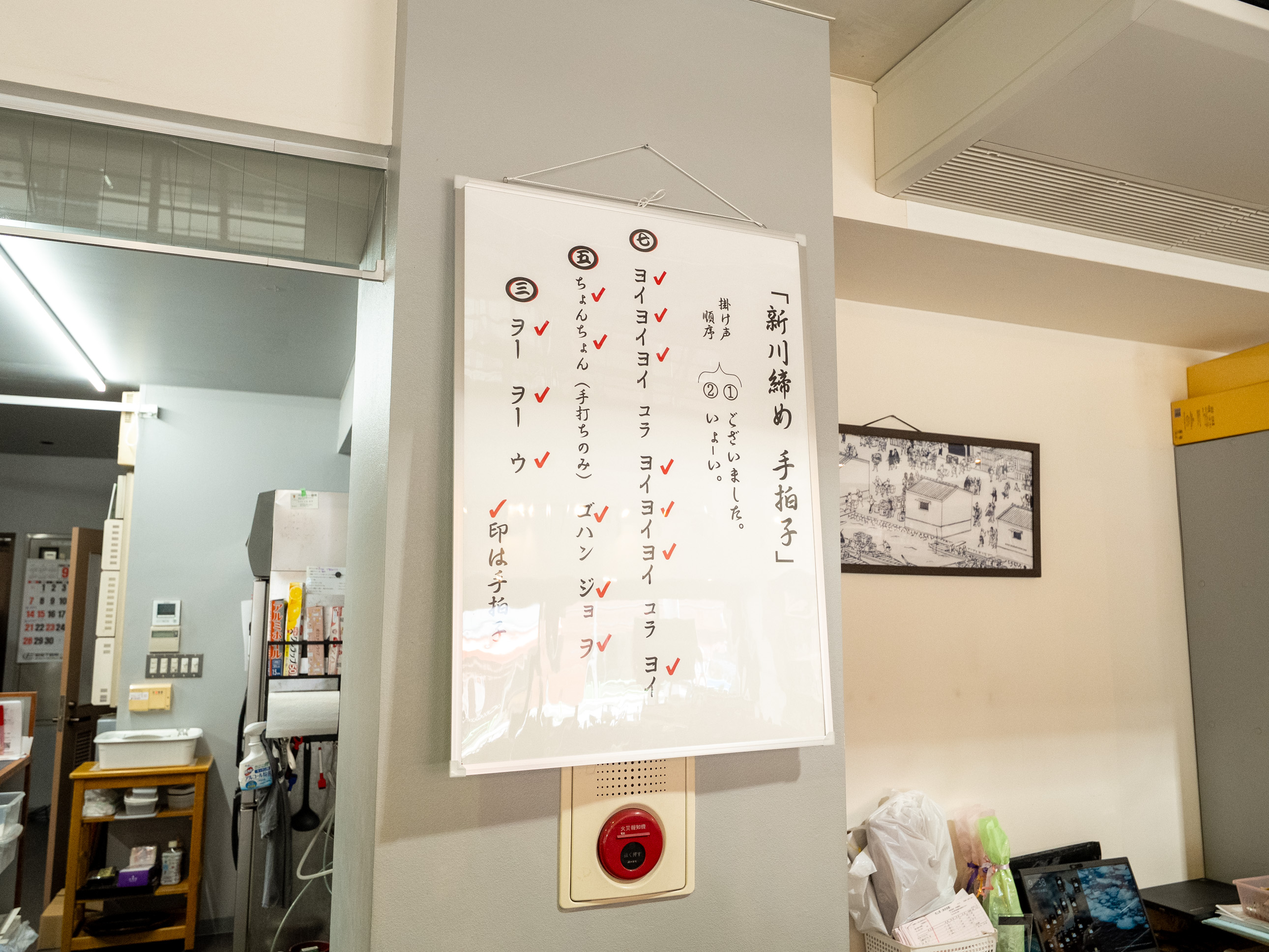
Shinagawa Daijingu Shrine, revered as the guardian deity of sake wholesalers, holds its annual grand festival in mid-October. Following the ceremony, a ritual feast called the Naorai takes place, where the sacred sake and offerings presented to the deity are shared among the priests and worshippers. This feast draws many sake breweries, wholesalers, and liquor distributors, who celebrate with the “Shinagawa Shime” ritual. Participants pair up to drink sacred sake poured into cups. Following chants and hand claps, they simultaneously empty their cups while shouting “Gohan jo wo wo- wo- u” (meaning “Prosperity!”). However, if the pair’s timing is off, they must try again. At Imada Shoten, a notation of the hand-clapping rhythm for this “Shinkawa-shime” is displayed. According to Mr. Imada, when events are held in the store, guests are invited to conclude with the “Shinkawa-shime.”
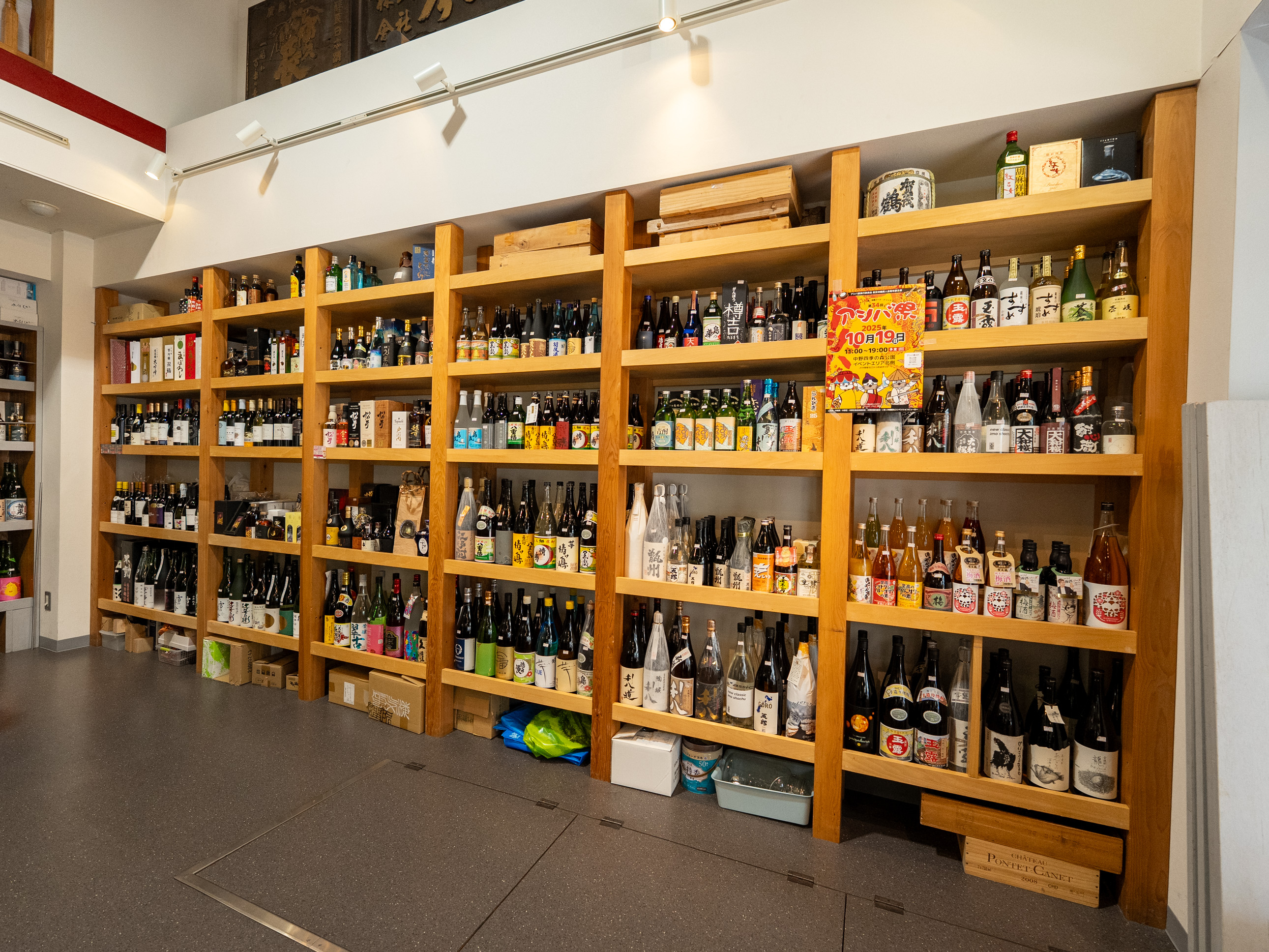
Imada Shoten has ties to Hiroshima, so it carries the largest selection of Hiroshima-produced local sake in Tokyo.
Rather than focusing on well-known brands with strong brand recognition, they deliberately stock sake from lesser-known breweries that aren’t widely available in Tokyo. They visit breweries that pique their interest, and mutual understanding leads to business relationships. The sake curated by Imada Shoten is then introduced to many customers through events like the “Local Sake Tasting” at their standing bar, which began about seven years ago, or events featuring brewery owners and master brewers. These experiences delight customers’ palates. Imada Shoten’s website bears the words: “Abundance and Passion: Connecting People, Shinkawa’s Liquor Store.” In these words, one senses the fourth-generation owner’s conviction and resolve: “Through sake, we wish to connect the city and the countryside, modern life and history/culture, and the passion of producers with the joy of consumers.”
Imada Store
- address
- 1-10-10 Shinkawa, Chuo-ku, Tokyo Toraikan
- telephone number
- 03-3551-5885
- web site
- https://imadashouten.com