The Best Spots in Chūō Ward, Tokyo,According to an Expert
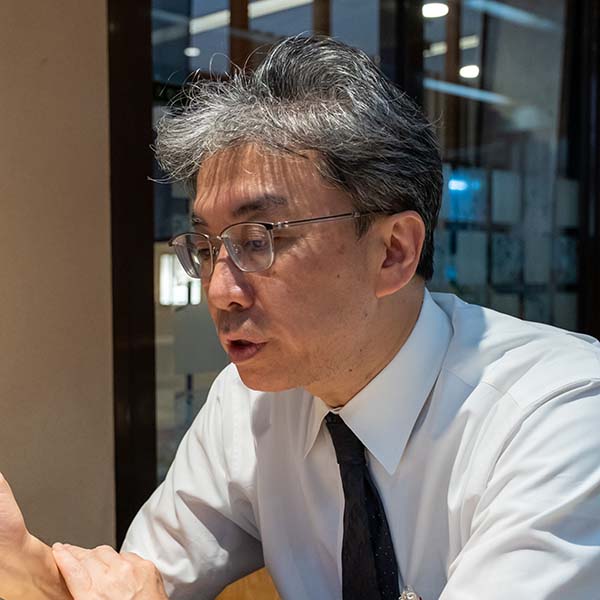
Takashi Tsunoda
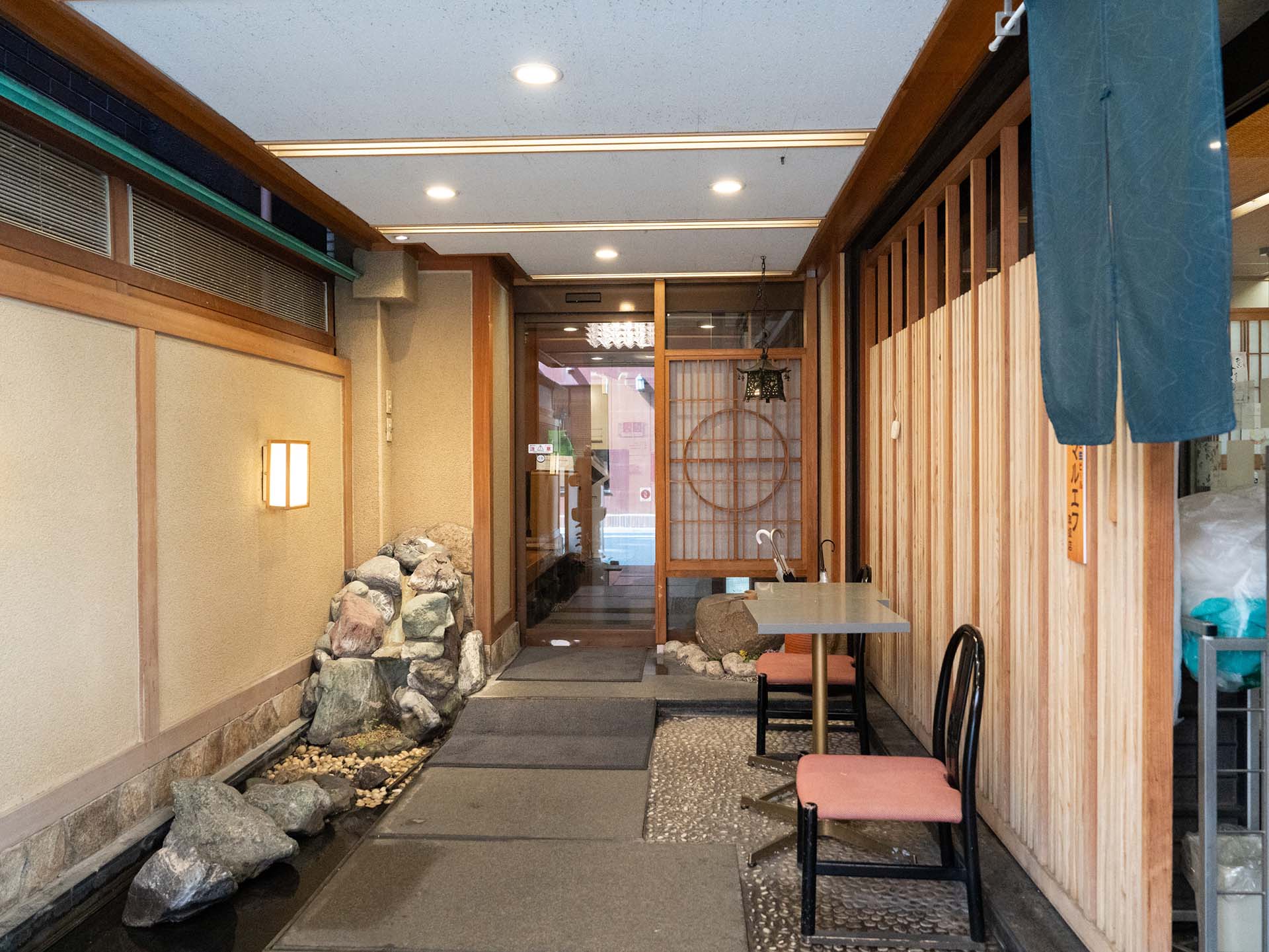
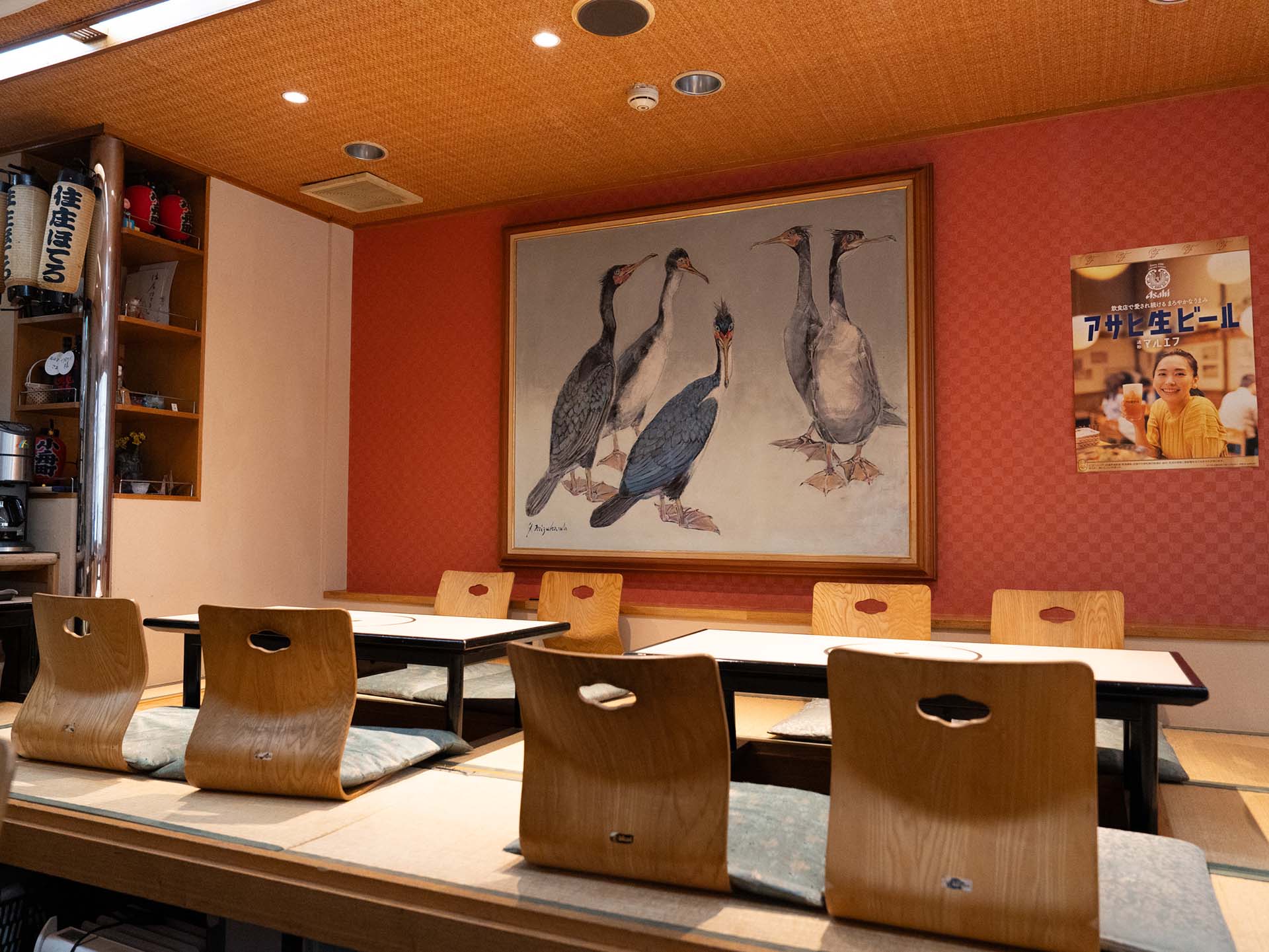
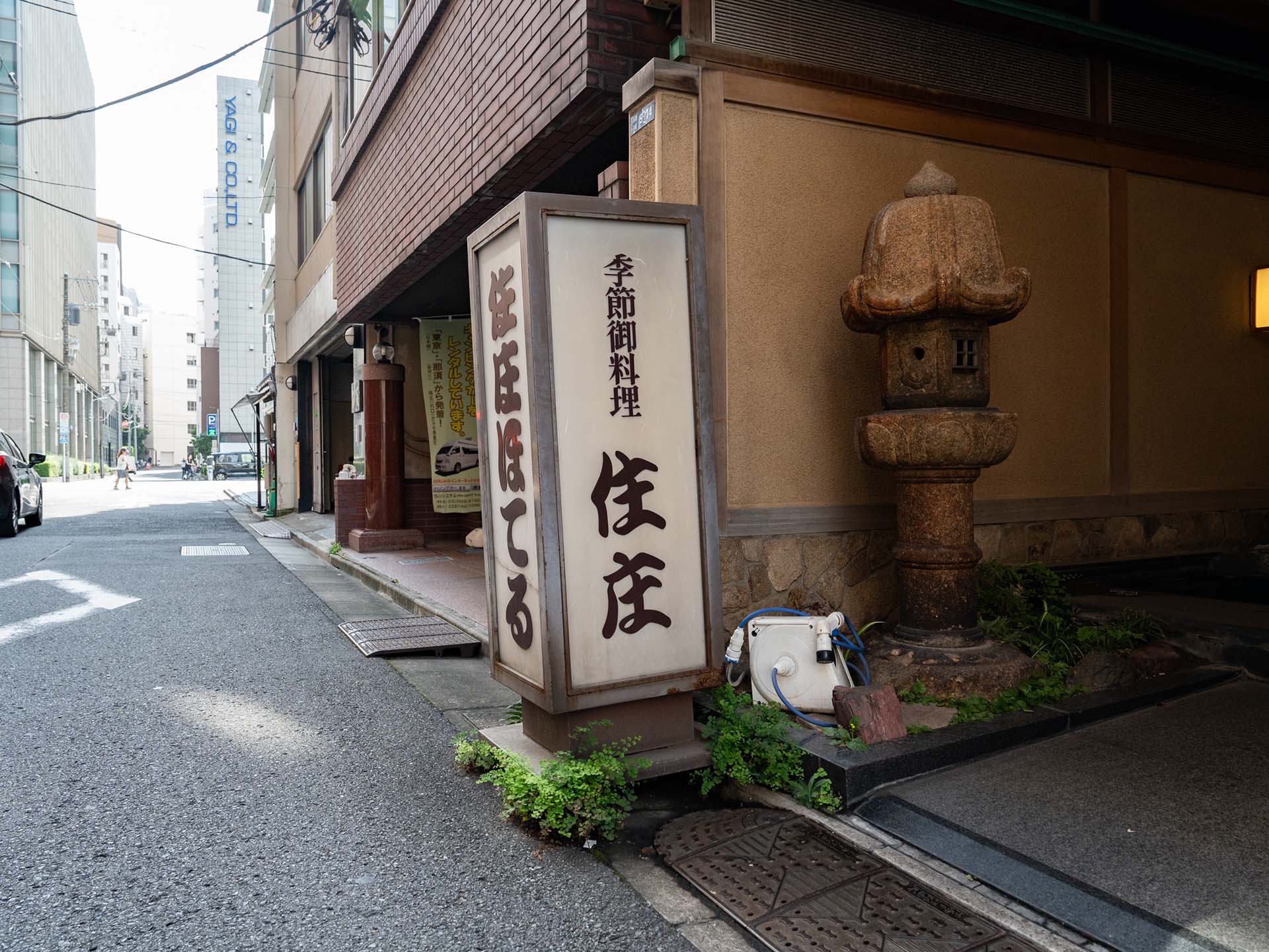
Sumiyoshi Hotel
A daily hot spring inn that retains traces of Edo while offering everyday comfort. Use it as a base for exploring Tokyo or as a place to relax and unwind from business fatigue. 83 rooms total.
- web site
- https://sumisho-hotel.co.jp/
- address
- 9-14 Nihonbashi-Kobunecho, Chuo Ward
- telephone number
- 03-3661-4603
Japanese sweets shop in the Ningyocho area
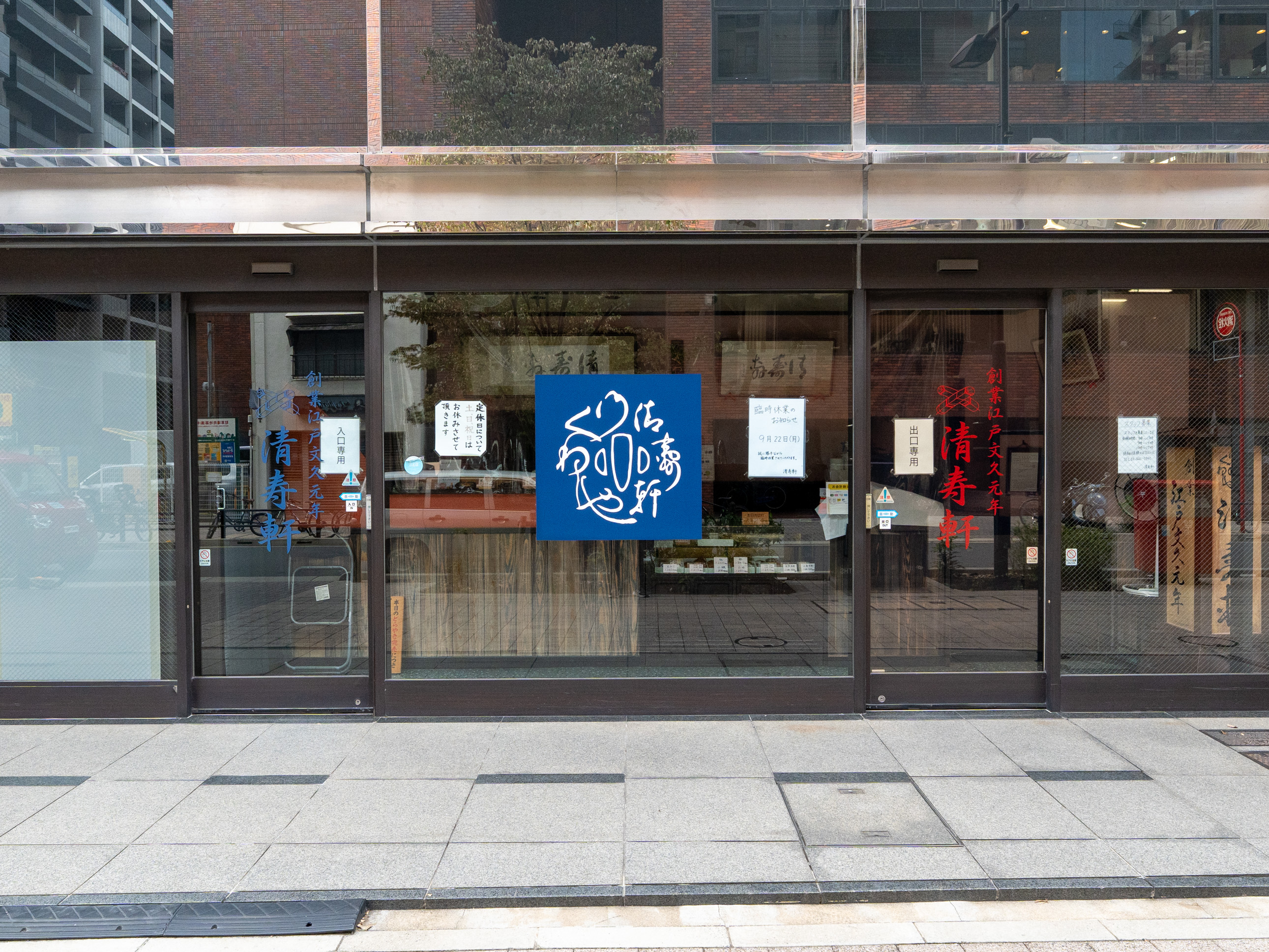
Two doors down from my Sumiyosho Hotel used to be a Japanese confectionery shop called Seijuken. Since childhood, I’ve enjoyed their handmade anmitsu, kintsuba, nerikiri, and chestnut paste sweets made right in their kitchen. They’ve since relocated to a street just before the Horidomecho intersection. Their dorayaki are especially popular. The fragrant, crispy outer layer encases a generous filling of carefully hand-kneaded sweet red bean paste with just the right amount of whole beans for a truly exquisite taste. The son, now the seventh-generation owner, faithfully upholds the tradition dating back to the shop’s founding in 1861 (Bunkyu 1). Speaking of dorayaki, “Nichigetsudo” on the same street is also a popular shop. Established in 1877 (Meiji 10), it’s a long-established shop with over 140 years of history. Yet, it seems they actively pursue creating innovative new products like “Matcha Fresh Dorayaki” and “Apricot Fresh Daifuku.”
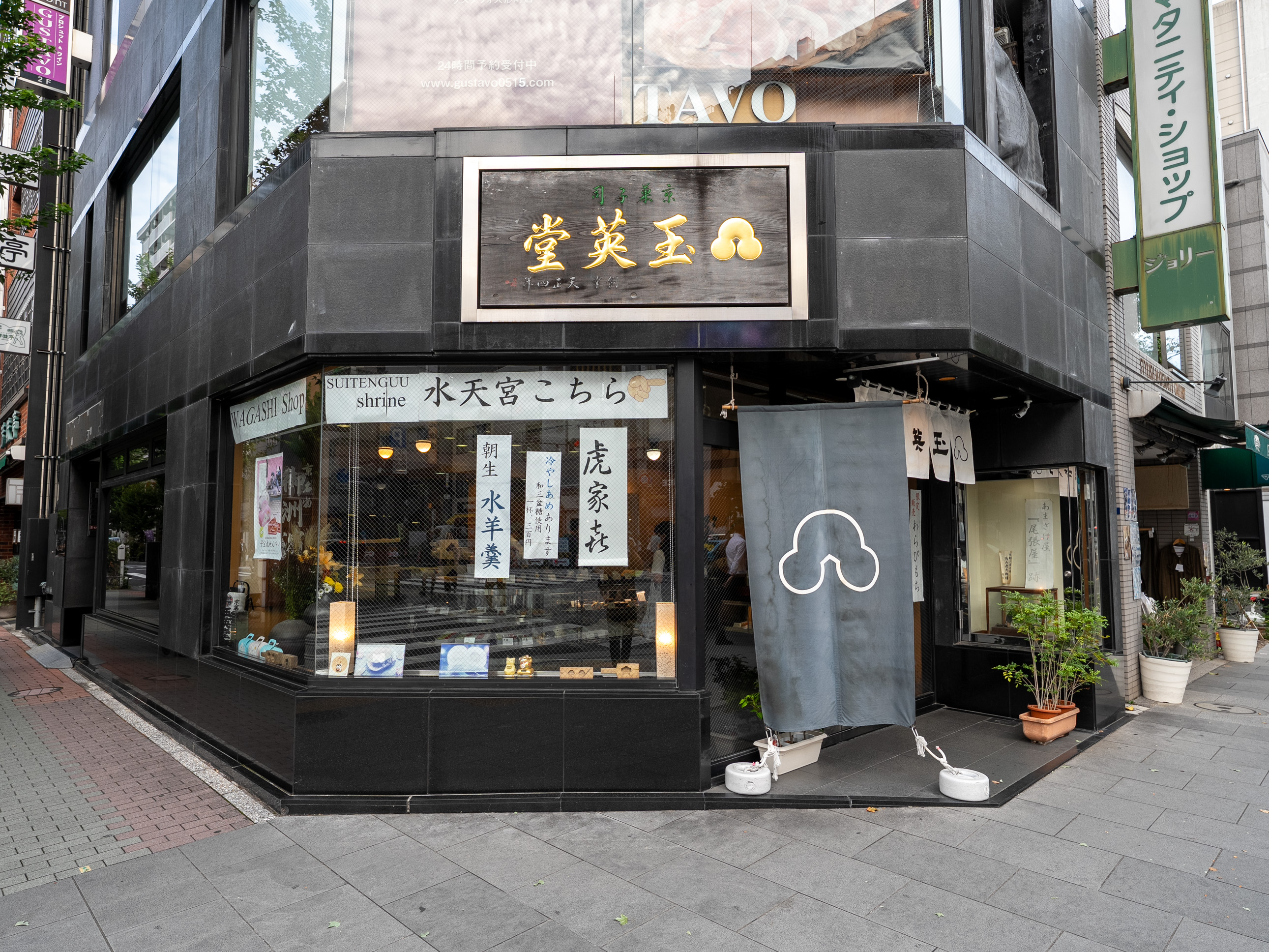
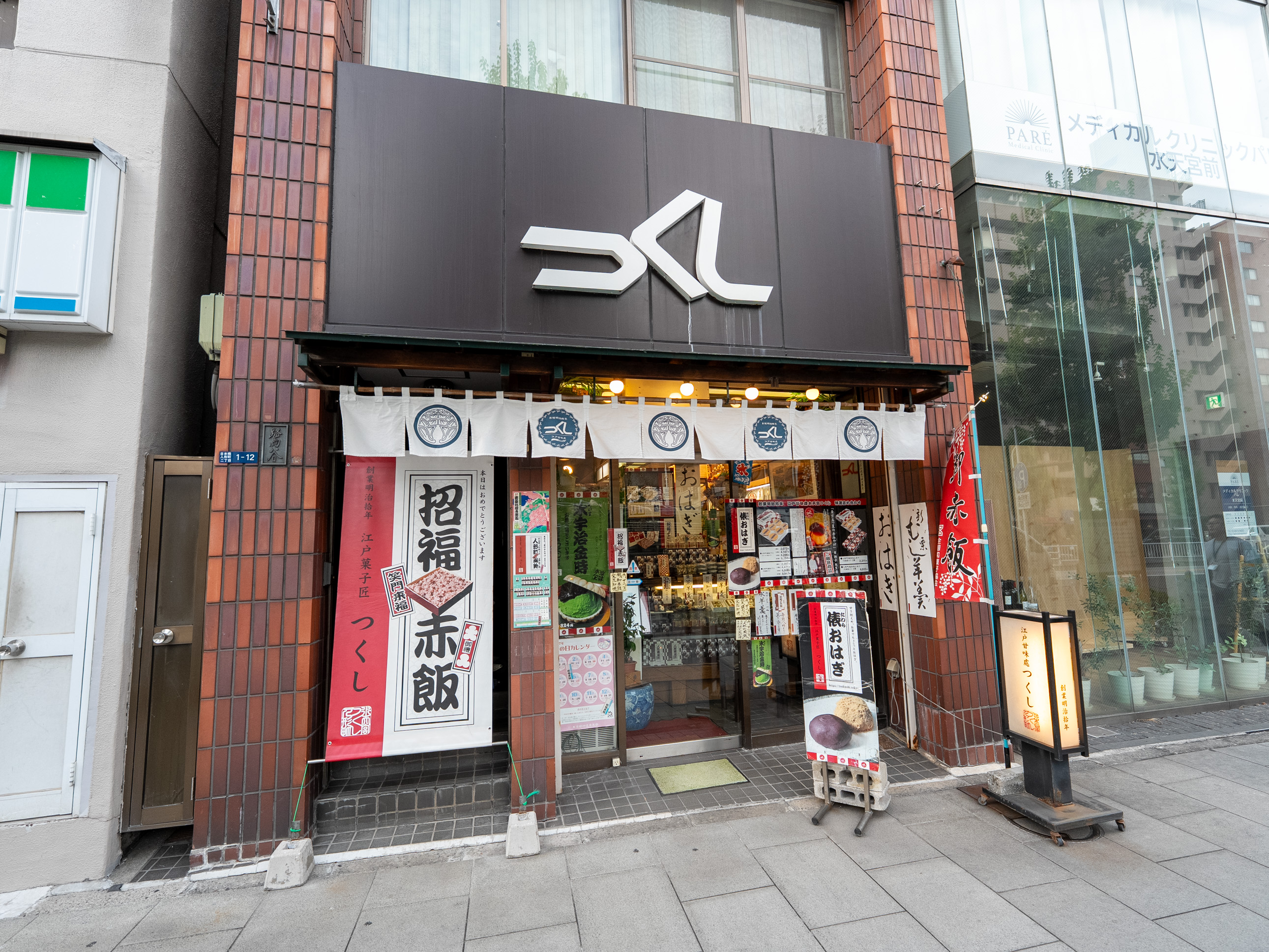
Additionally, since its founding in Kyoto over 400 years ago, Gyokueido has continued crafting Kyoto sweets. Their “Tora-yaki” is a masterpiece that diverges from the typical dorayaki. Judo is famous for its “Golden Sweet Potato,” featuring a fluffy, sweet potato-inspired crust enveloping sweet bean paste. Miharado, known for its “Omamori Monaka” featuring Sanskrit characters from the Suiten Shrine amulet, “Omamori Monaka” featuring Sanskrit characters from the Suiten-gu Shrine. Then there’s “Tsukushi,” known for its Edo-style sweets passed down through generations based on the founder’s secret recipe book, and its red bean rice and chawanmushi-inspired “Furin” pudding. Each shop offers uniquely charming products. Oh yes, speaking of Ningyocho, we mustn’t forget the Ningyo-yaki from Shigemori near Suitengu Shrine and Itakuraya near the Ningyocho intersection—both are famous local specialties.
The shops I’ve introduced are just a few of the many traditional Japanese confectionery stores operating near Ningyocho Street. But why are there so many of these shops clustered together in the Ningyocho area? It seems to be connected to Ningyocho’s history. Ningyocho’s former name was Yoshimachi, a pleasure quarter known as “Moto-Yoshiwara.” Yoshimachi was lined with numerous high-class restaurants (ryotei). These ryotei served traditional sweets like nerikiri and yokan to entertain their guests. This demand likely led to the emergence and sustained operation of many shops supplying sweets to these ryotei. Each shop pursued its own unique flavor, paid meticulous attention to appearance and ingredients, and competed to create sought-after products that were ideal as tea accompaniments. It is likely this very environment fostered the creation of wagashi that showcased each shop’s distinctive ingenuity and character.

Even if they started as competing rivals, I believe each restaurant has built its own unique charm and presence precisely because they have continuously responded to the needs of the times and the requests of their customers, while leveraging their own ingenuity and distinctive qualities. And within that, I sense an ideal rivalry where each establishment resonates with the others, enhancing their mutual brilliance. Today, only Hamadaya remains as a traditional restaurant in Ningyocho. Yet each shop continues to embrace visitors to the neighborhood, sparing no effort to pursue flavors unique to their establishment, highlighting their individual strengths. How about exploring Ningyocho’s wagashi shops? While the shops introduced here are all long-established and might seem intimidating, don’t be daunted by their traditional aura. Instead, enjoy immersing yourself in their atmosphere. You might enjoy casually strolling around, sampling one sweet from each shop, or taking some home as souvenirs—they’re sure to be appreciated.
Japanese sweets shop in the Ningyocho area
- address
- Nihonbashi Ningyocho, Chuo Ward, Tokyo