The Best Spots in Chūō Ward, Tokyo,According to an Expert
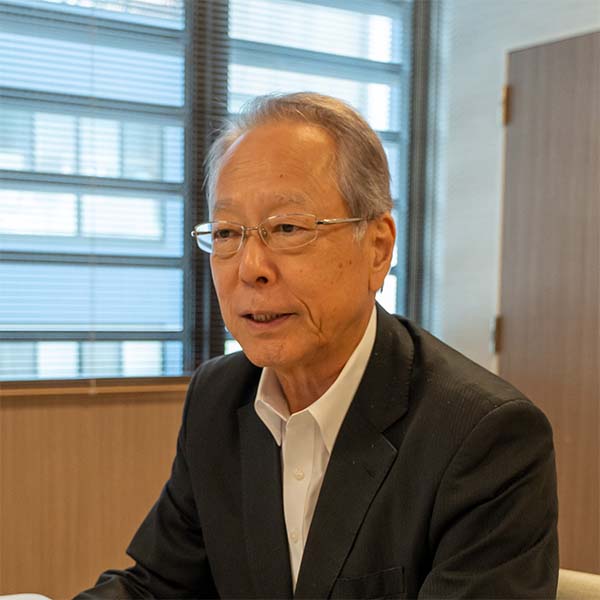
Tetsuo Kudou
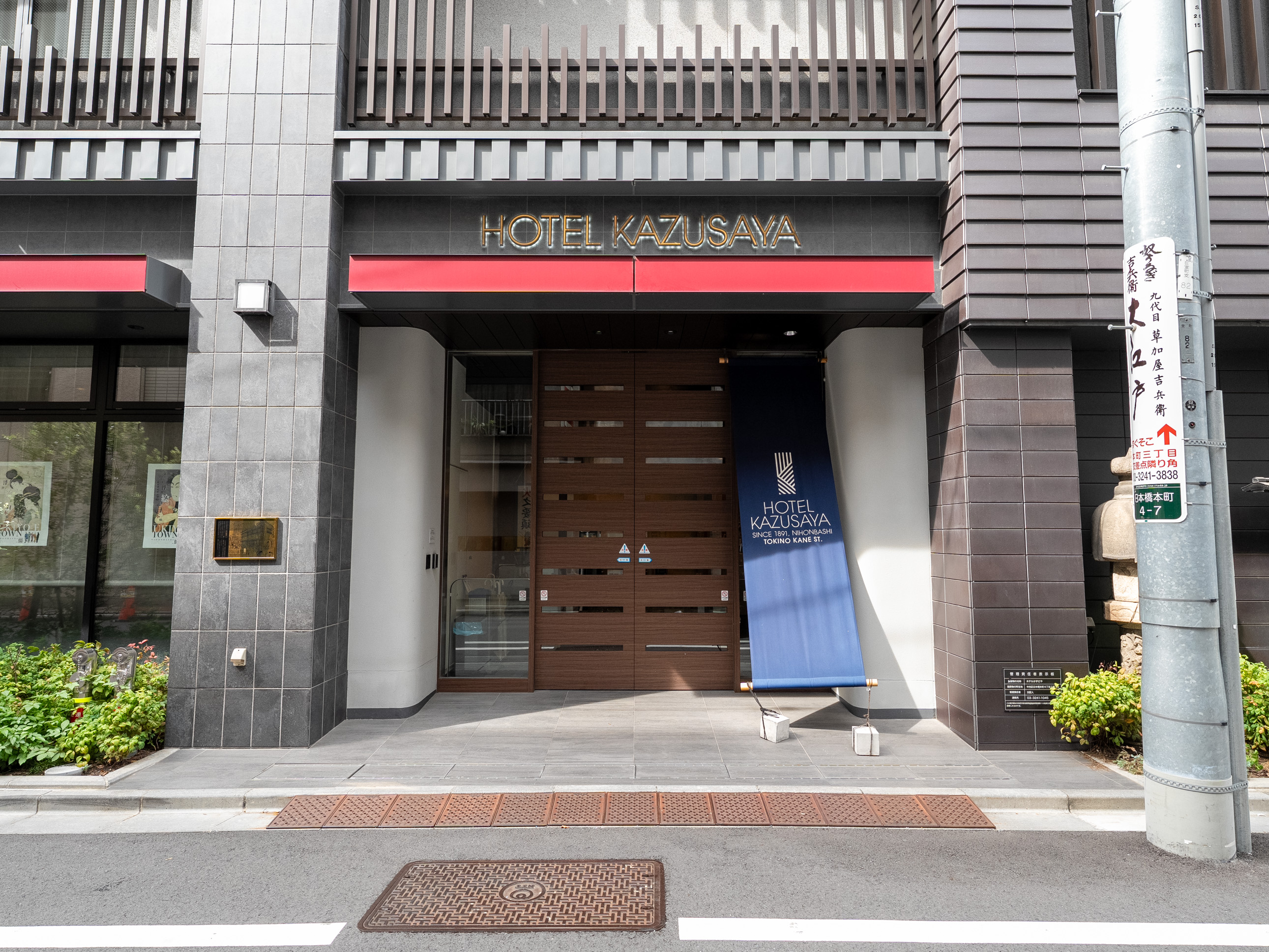
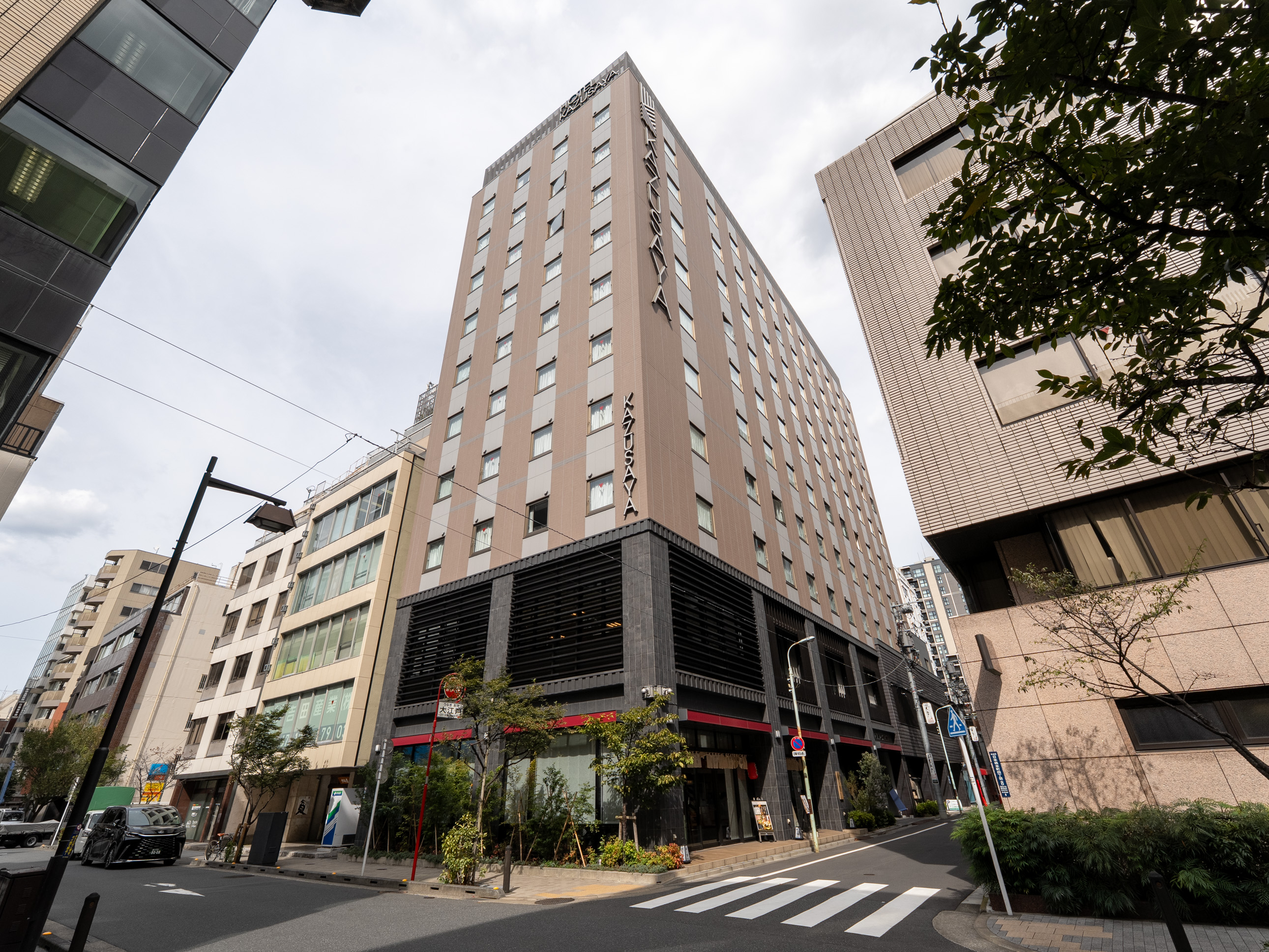
Hotel Kazusaya
Founded in 1891, we are celebrating our 135th anniversary. Renewing our commitment as a historic hotel conveying the history of Nihonbashi, we aim to be a hotel unique to Nihonbashi where guests can experience the essence of Edo.
- web site
- https://www.h-kazusaya.co.jp/
- address
- 4-7-15 Nihonbashi Honcho, Chuo-ku
- telephone number
- 03-3241-1045
Jushi Park and Tsutajyu Gallery
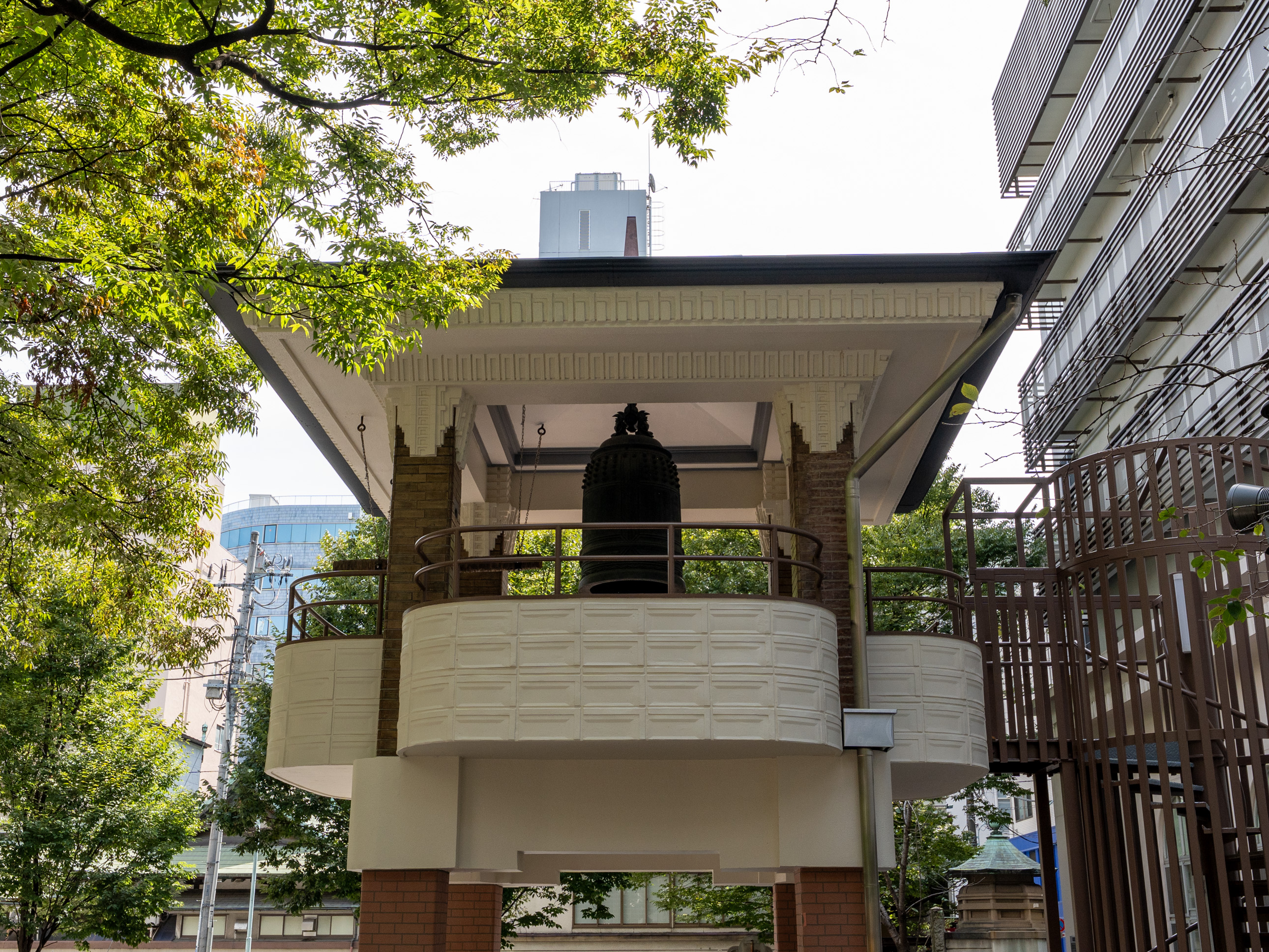
During the reign of the second shogun, Tokugawa Hidetada, the “Ishimachi Bell” housed in the bell tower built in Nihonbashi-Ishimachi became indispensable to the people of Edo as a means of telling time, as captured in the verse: “Ishimachi puts Edo to sleep and wakes it up.” Furthermore, a senryū poem likened the bell’s sound to reaching as far as Holland, alluding to the proximity of the Nagasakaya inn, where the Dutch trading post chiefs staying in Edo would regularly lodge. Moreover, just a few hundred meters from the bell tower in Hon-ishichō stood the Tenmachō Prison. Executions of prisoners held here were carried out to the sound of this bell. It is said that the bell was sometimes struck late, as if praying for the condemned prisoner’s life to be spared. This bell of time also saw its role end in the Meiji period. It was then passed to the Matsuzawa family (Osakaya Magoroku), an oil merchant in Hon-ishichō, and kept in their care. After the Great Kanto Earthquake, it was transferred to the Tokyo Metropolitan Government and relocated to a bell tower constructed within Jisshi Park, which was developed as a reconstruction park.
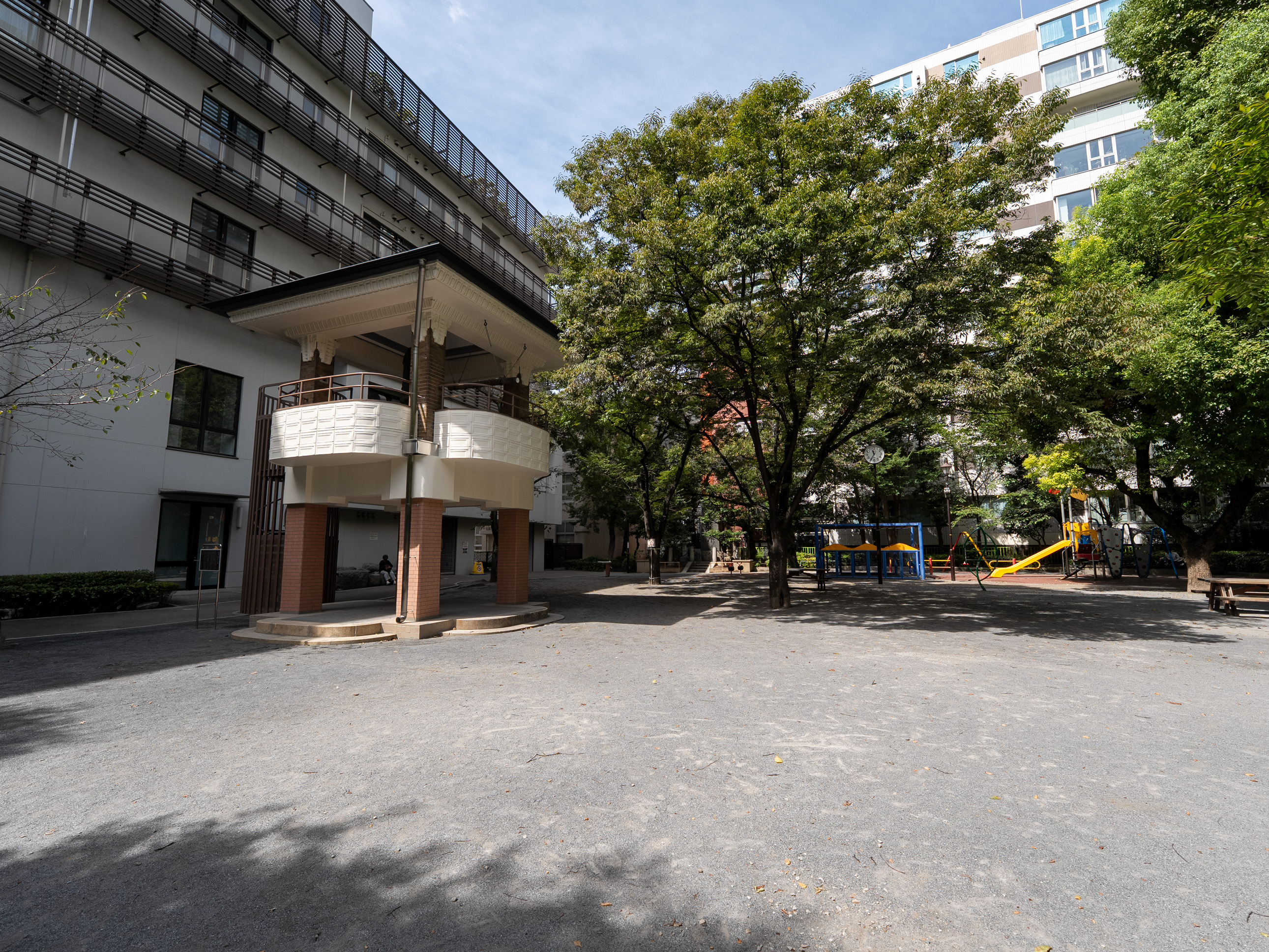
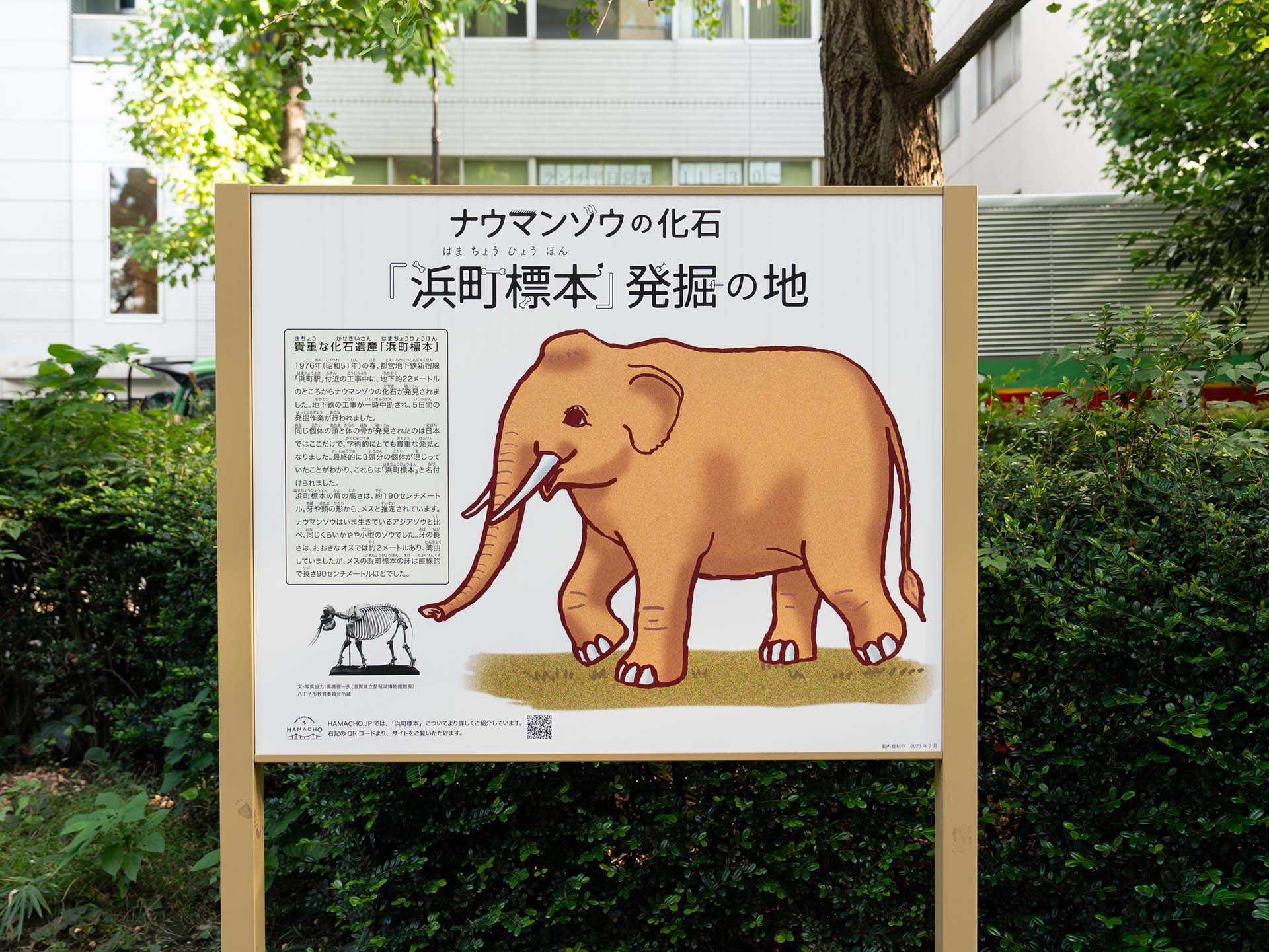
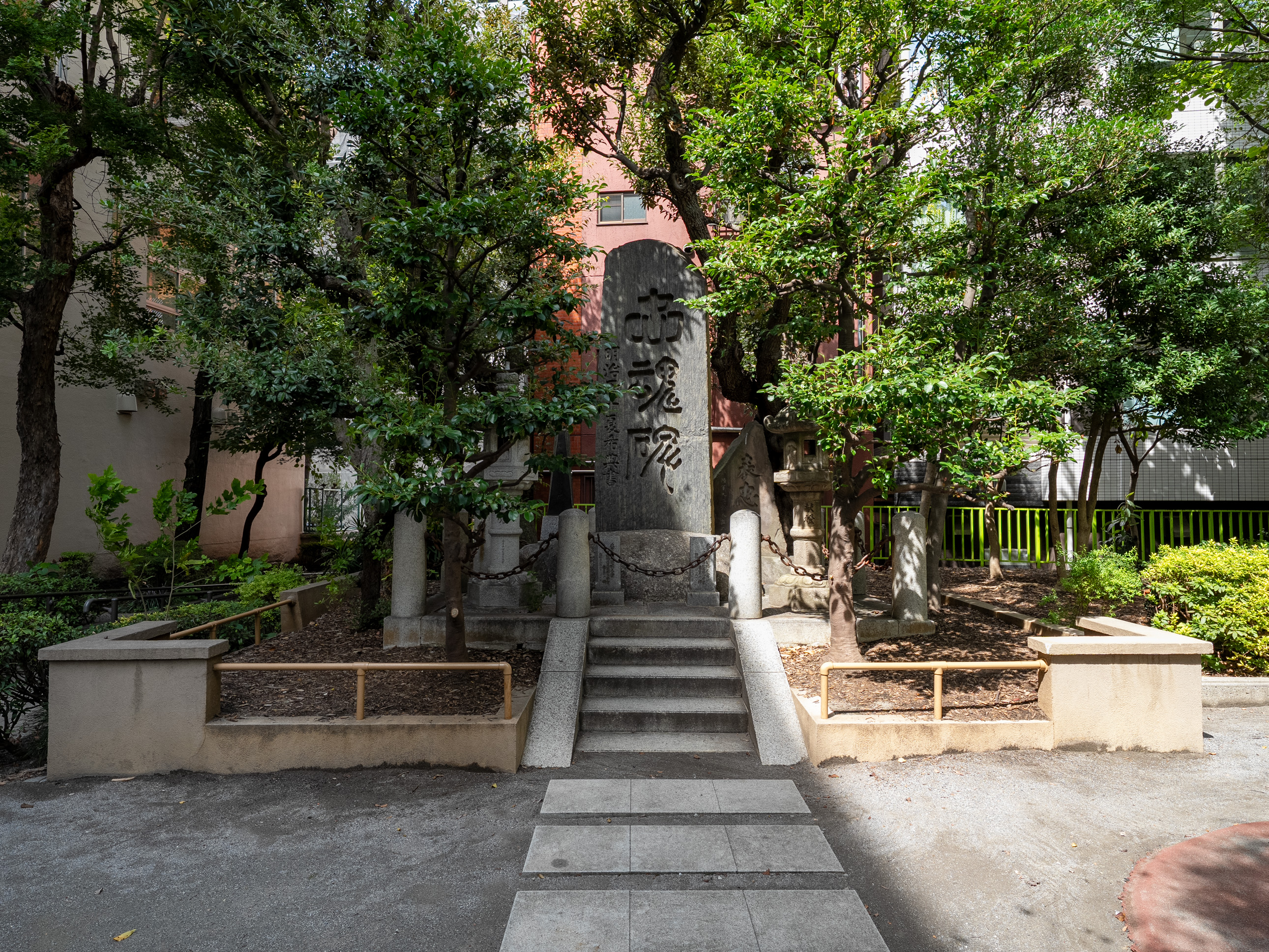
Jisshi Park, along with its surrounding facilities, stands on the site of the former Tenmachō Prison. During the turbulent Bakumatsu period, Yoshida Shōin, implicated in the Ansei Purge, met his end here. Within the park stands a stone monument inscribed with his death poem: “Though my body may rot away Upon Musashi’s fields, My Yamato spirit shall remain.” This poem was included at the beginning of the “Ryukonroku” (Record of Retaining the Soul), which Shōin left for his disciples. The stone monument is said to be carved with an enlarged version of his own handwriting. Shōin’s greatest achievement was undoubtedly the education he provided at the Shōka Sonjuku. The efforts of Matsushita Village School students like Kusaka Genzui, Takasugi Shinsaku, Ito Hirobumi, and Yamagata Aritomo became a powerful force, realizing the great transformation known as the Meiji Restoration. I believe they acquired the strength to build the foundation of modern Japan not merely through acquiring knowledge, but by learning from Shōin’s way of life—one of holding fast to his convictions with unwavering resolve.
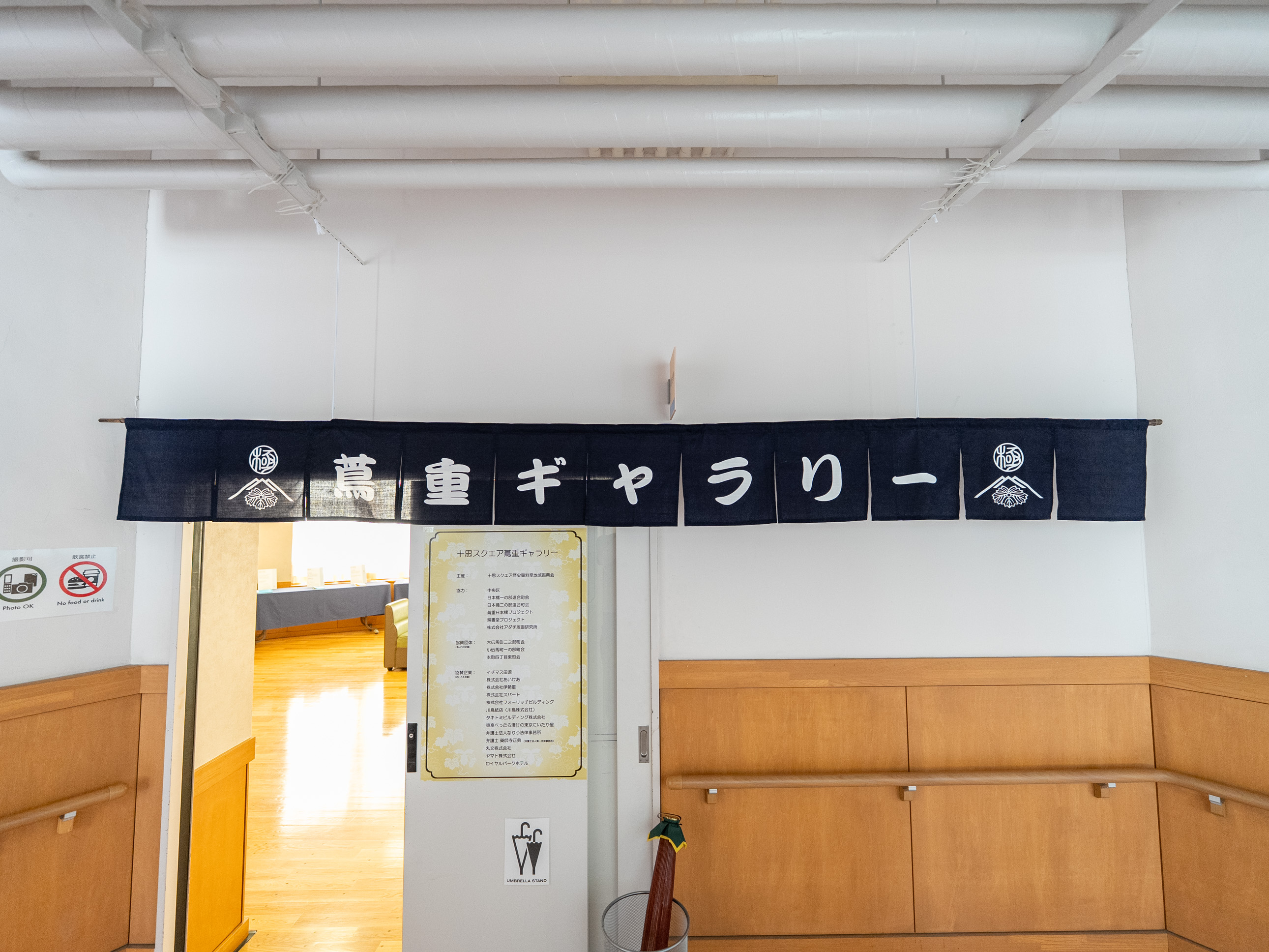
Now, Honmachi Street (formerly the Nikko Kaido) near Hotel Kazusaya was Edo’s most bustling commercial district. Tsutajū, also known as Tsutaya Jūzaburō, who had opened a bookstore near the Yoshiwara Great Gate, relocated to this Honmachi Street and established the jibon wholesaler “Kōshōdō.” Kōshōdō was not merely a bookstore but also a publisher. It released works by artists such as Katsushika Hokusai, Kitagawa Utamaro, and Tōshūsai Sharaku, as well as plays by authors like Yamamoto Tōden and Ōta Nanpo. Tsutajū’s publications vividly reflected the daily life, customs, and culture of Edo’s common people. Kōshōdō served as a hub for disseminating knowledge and art within Edo culture, releasing a diverse array of publications into the world. Adjacent to the previously mentioned Jūshi Park, Jūshi Elementary School was closed. The complex facility reusing its school building is “Jūshi Square.” As part of the “Tsutajū Nihonbashi Project,” launched by the local neighborhood association following the broadcast of NHK’s historical drama “Berabō,” the “Tsutajū Gallery” was established on the second floor of the main building of Jūshi Square. Admission is free, and there are no restrictions on photography. This gallery allows visitors to trace Tsutajū’s legacy through reprinted kōhyōshi and ukiyo-e prints. *Scheduled to run until mid-March 2026.
Jūzaburō Tsutaya and Shōin Yoshida—though they lived in different eras and led distinct lives—are connected by Nihonbashi, a place that marked pivotal moments in both their journeys. One disseminated culture through the medium of books, while the other nurtured the next generation of leaders through direct, hands-on education with his students. In their shared pursuit of transforming society through the power of knowledge and ideas, I sense something that transcends time, something that resonates and intersects between them. And as one who also conducts business in Nihonbashi, we at Hotel Kazusaya wish to continue offering soothing moments and spaces of relaxation, while inheriting this town’s history, tradition, and the spirit of Edo.
Jushi Park and Tsutajyu Gallery
- address
- 5-2 Nihonbashi-Kodenmacho, Chuo-ku, Tokyo