The Best Spots in Chūō Ward, Tokyo,According to an Expert

Nami Furukawa
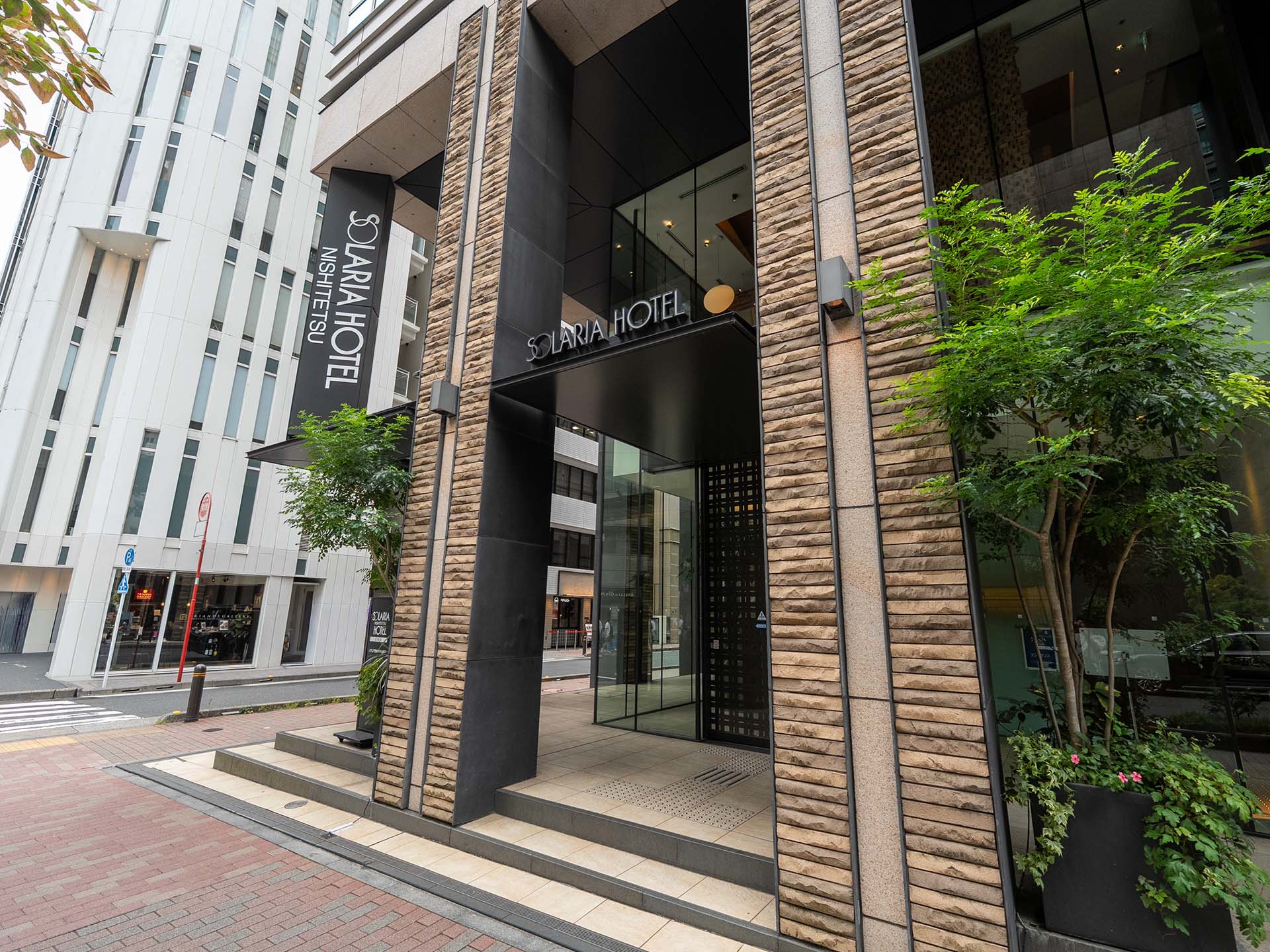
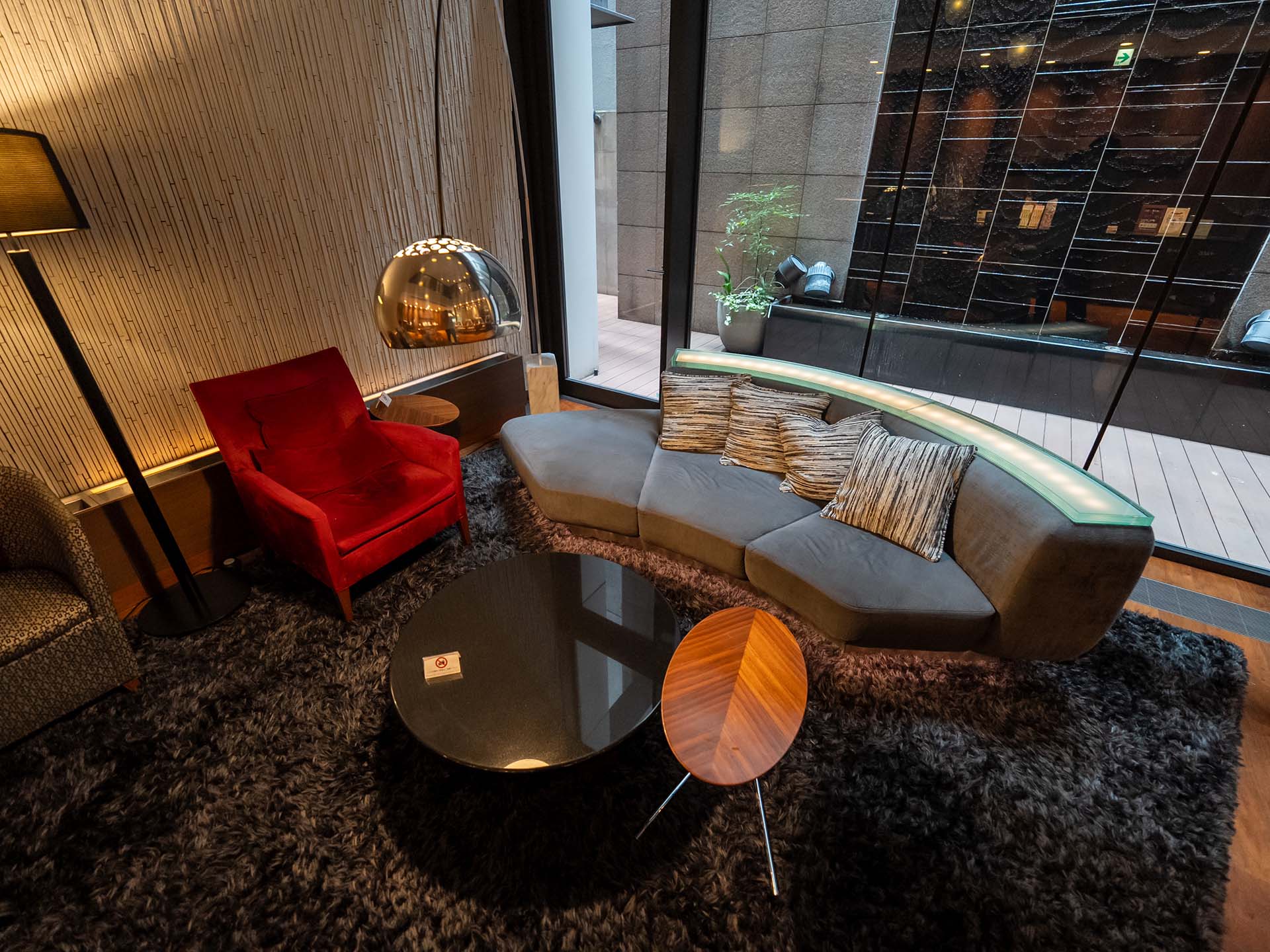
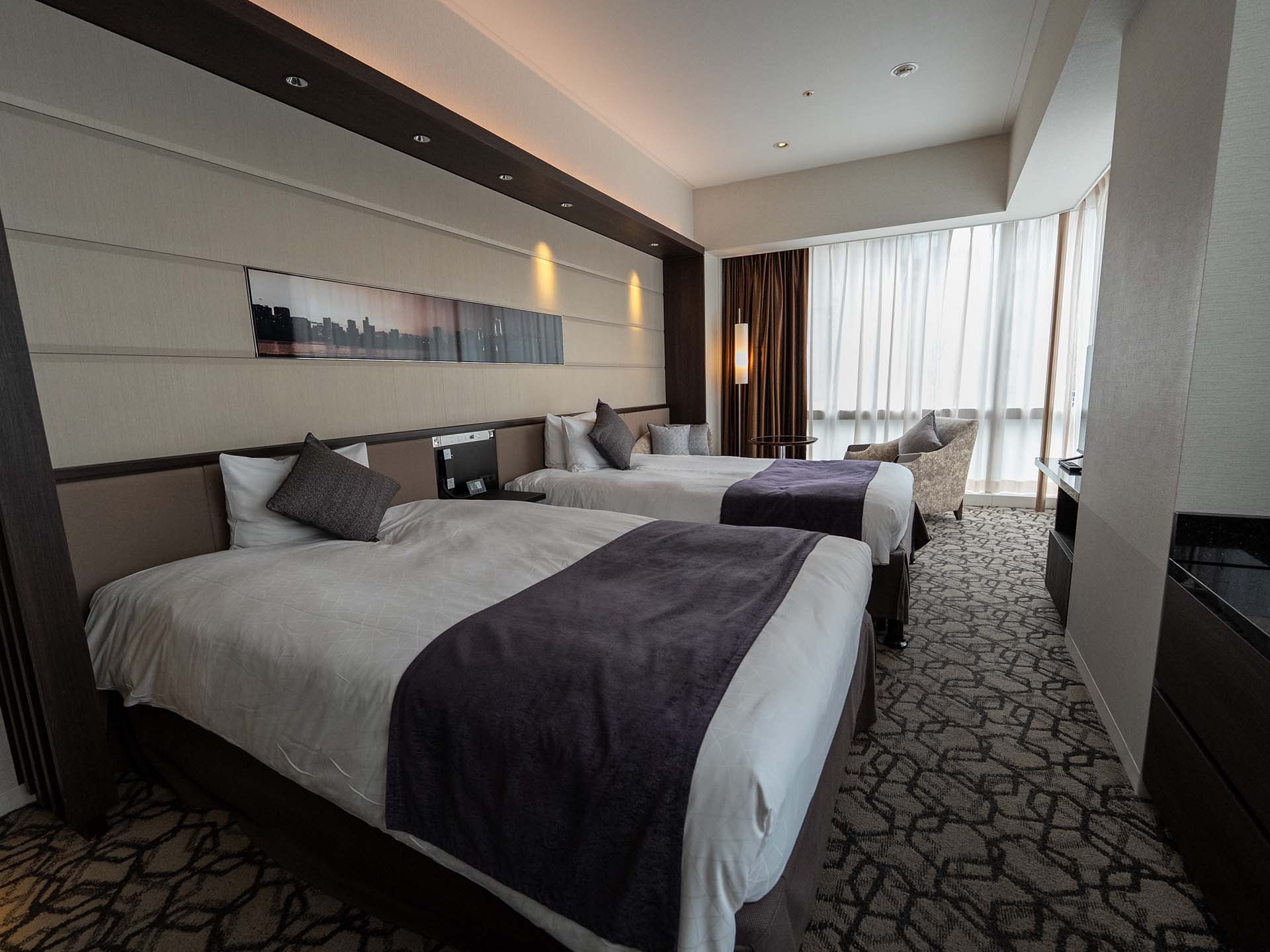
Solaria Nishitetsu Hotel Ginza
Opened in September 2011. Just a 1-minute walk from Higashi-Ginza Station, its excellent access from both Haneda and Narita airports is also highly praised. Enjoy a moment of peace and relaxation in the heart of Tokyo's Ginza.
- web site
- https://solaria-ginza.nnr-h.com/
- address
- 4-9-2 Ginza, Chuo-ku
- telephone number
- 03-6731-5555
Ginza Onoya
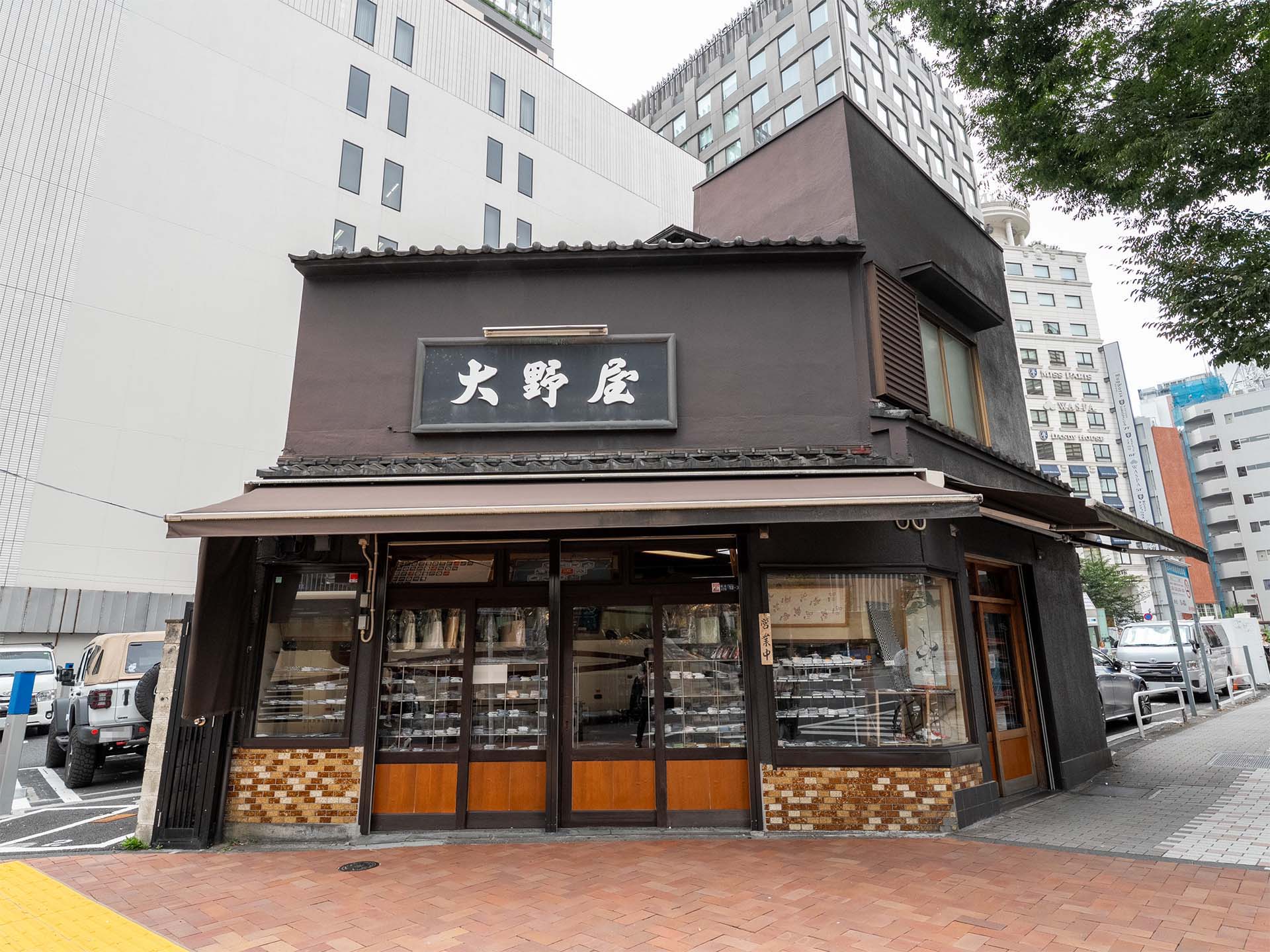
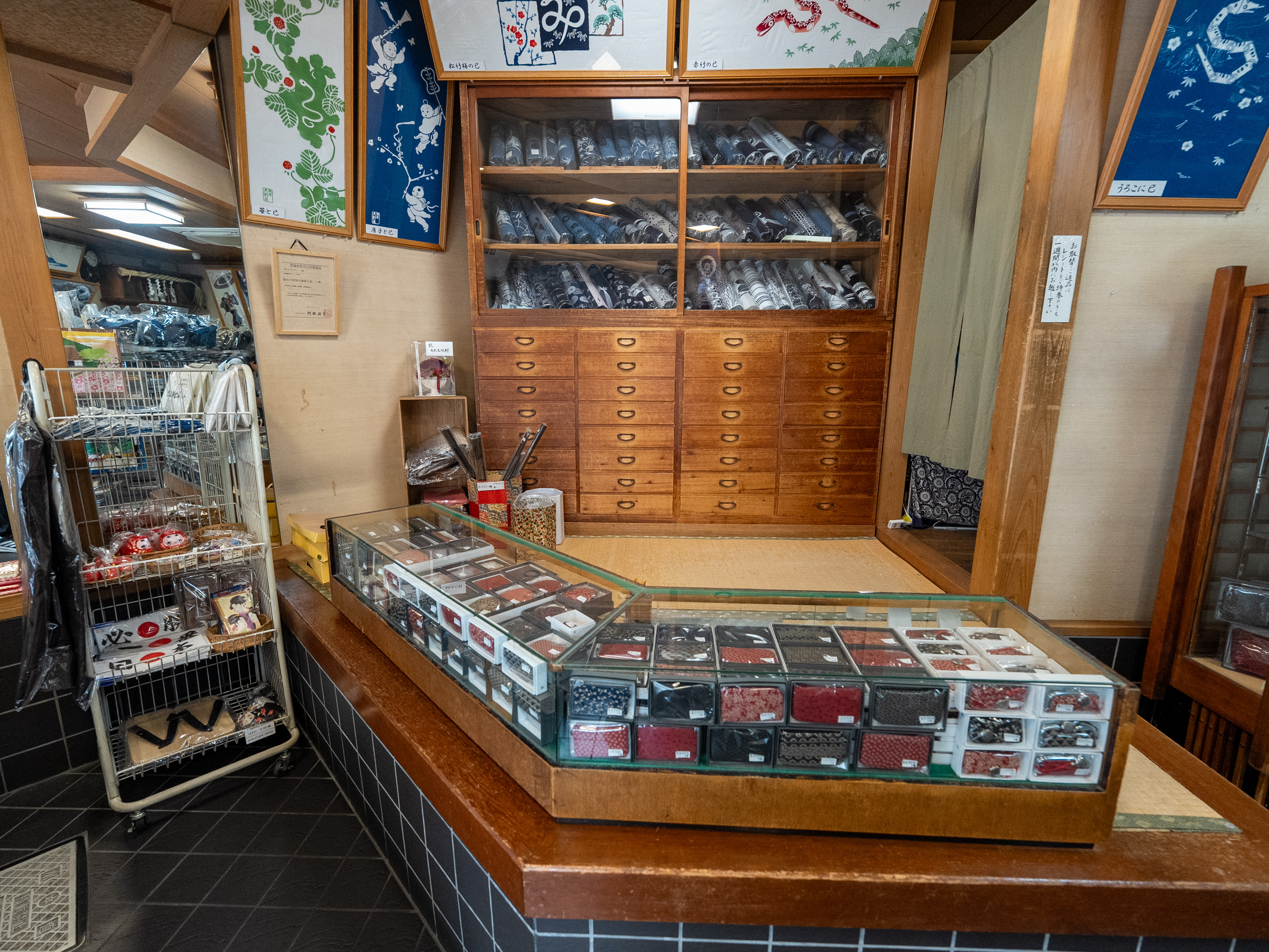
The Mihara Bridge Intersection, where the two main roads “Harumi-dori” and “Showa-dori” meet. Located at the surface level of Higashi-Ginza Station, it’s surrounded by nothing but towering skyscrapers. Yet, if you look toward one corner, a historic wooden building stands proudly, as if quietly asserting its presence. This shop is my beloved Ginza Onoya. Drawn in by its charming exterior, I open the sliding door to a satisfyingly crisp, rattling sound. Combined with the store interior packed full of various Japanese trinkets, it inevitably reminds me of the candy shops I frequented as a child. Am I the only one? Inside, traditional Japanese goods line the shelves: tabi socks, yukata fabric bolts, geta sandals, inden leather goods, and more. My personal favorite, however, is the selection of hand towels, boasting over 400 different patterns.
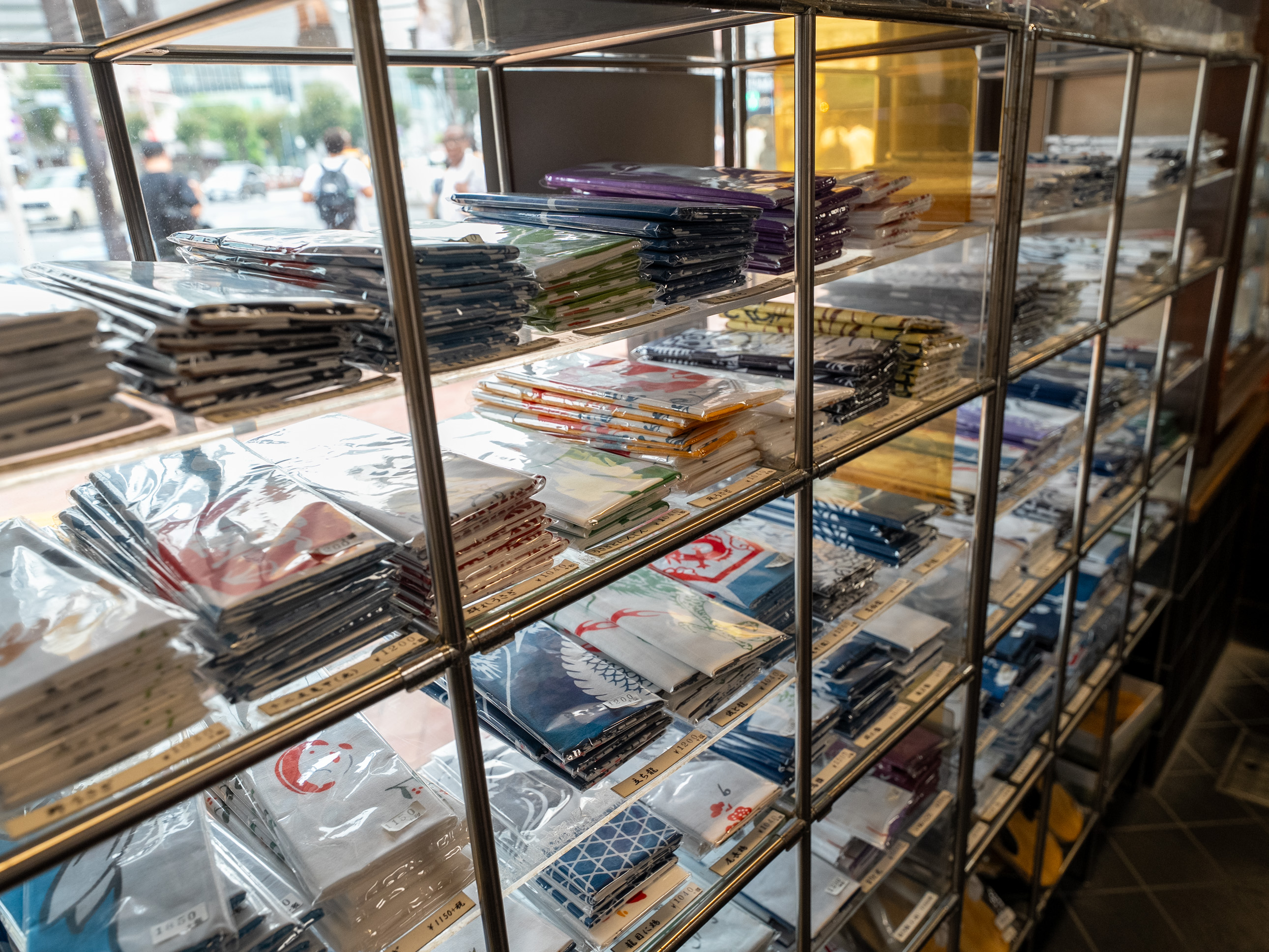
These tenugui are all original designs from Ginza Onoya. For traditionally dyed tenugui, a stencil is created for each original design, paste is applied, and then the fabric is dyed. The stencils are stored for reuse, but eventually they break down and must be carved anew. The variety of patterns is truly captivating: classic designs cherished for centuries like checkered (ichimatsu), fish scale (uroko), arrow feather (yabane), and blue waves (seigaiha); patterns featuring the zodiac animal of the year; striking designs with bold outlines or kabuki actor crests; botanical motifs depicting Japanese flowers and plants; and ukiyo-e-style portraits of beauties. Simply looking at them never gets old. We recommend this shop to our hotel guests as a place to visit after enjoying a performance at the Kabuki-za theater. Lightweight and compact, tenugui make delightful, stylish souvenirs. We hope you’ll enjoy browsing these traditional Japanese accessories, comparing them, and perhaps even imagining what shops in old Japan might have felt like.
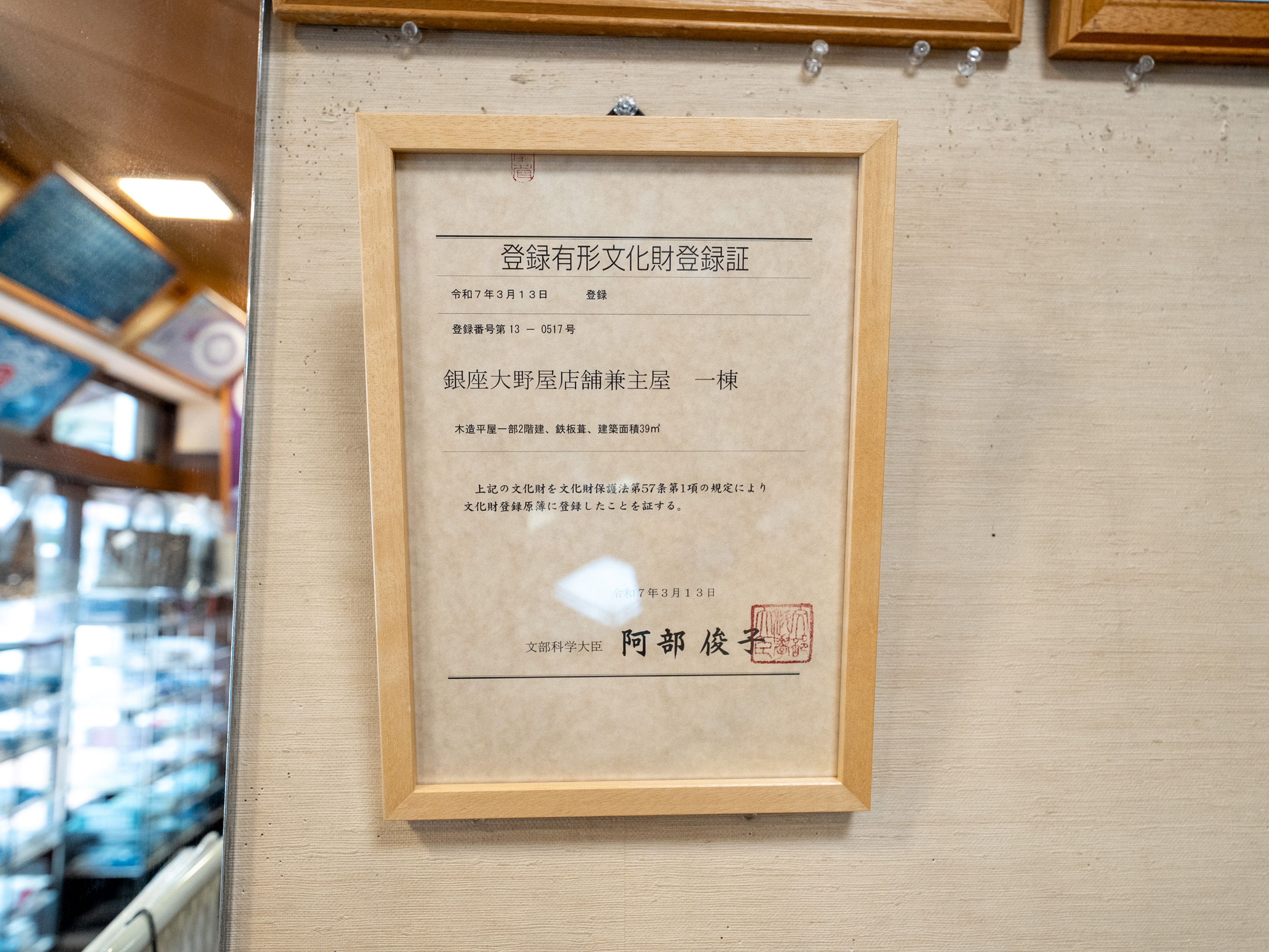
Ginza Onoya was founded in the first year of the Meiji era. That means it has over 150 years of history. During the Edo period, a canal called the “Sanjikken-bori” ran along the opposite side of what is now Harumi-dori, with the “Mihara Bridge” spanning it—a name still used for the intersection today. The street along this canal was Ginza’s main thoroughfare, bustling with crowds. It is said that the original branch of Ginza Onoya operated a “shikkaiya” (a shop specializing in stain removal, washing and stretching, and alterations for kimonos) on this very street. The second son of this original branch later branched out on his own, opening a tabi sock shop in the current location, which was then a quiet alley. Demand for tabi socks was immense at the time, with monthly sales reaching 30,000 pairs. The current building was constructed around 1951 (Showa 26). It features an irregular layout with a single-story shopfront adjoining a two-story workshop and residence. Preserving its original features—a front display window and an interior cash register counter—this structure stands as a valuable wooden commercial building conveying the post-war landscape of Ginza. It was designated a National Registered Tangible Cultural Property in March 2025.
When I first started spending time in Ginza, I thought it was just a street lined with famous brand stores. That image gradually changed, and I began to feel that I wanted people to experience Ginza’s other charm, beyond just shopping. For example, walking down an alley one or two blocks off the main street, I started discovering aspects of Ginza’s appeal I hadn’t felt before. I discovered it’s an artistic neighborhood with many galleries and antique shops, and sometimes finding shrines like Inari shrines tucked away in back alleys brings a sense of calm. For me, who chose hotel work because I wanted to master a people-oriented profession, I feel a real sense of accomplishment when I can offer suggestions that exceed a guest’s expectations. And sharing these new ways to enjoy Ginza, as I’ve described here, and seeing the smiles on our guests’ faces, is what gives me great fulfillment.